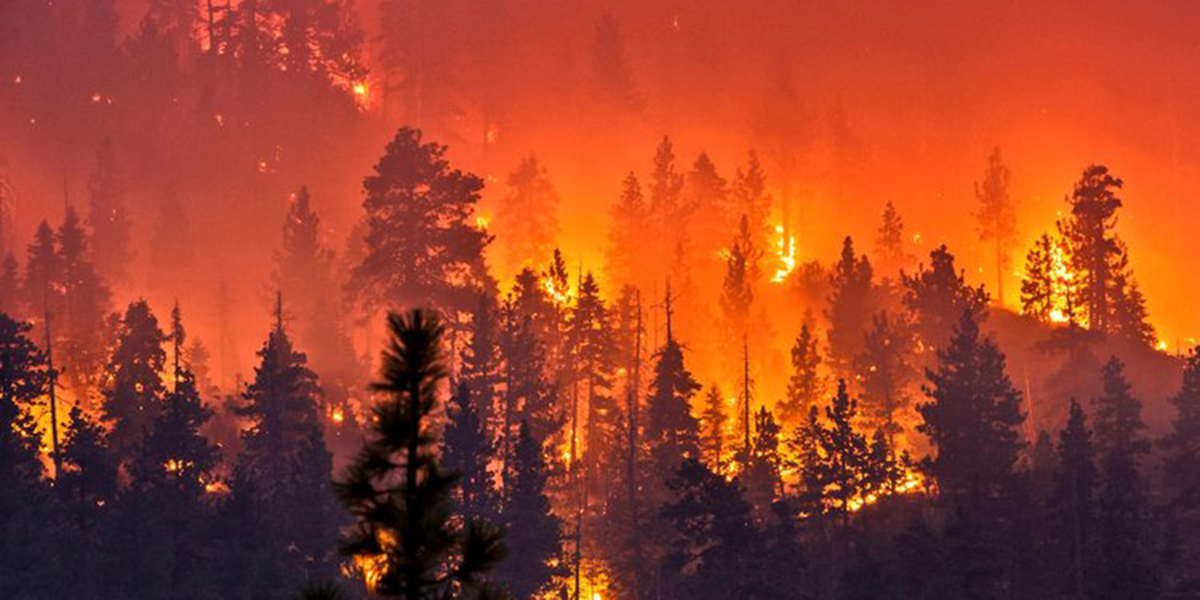
All Hazards
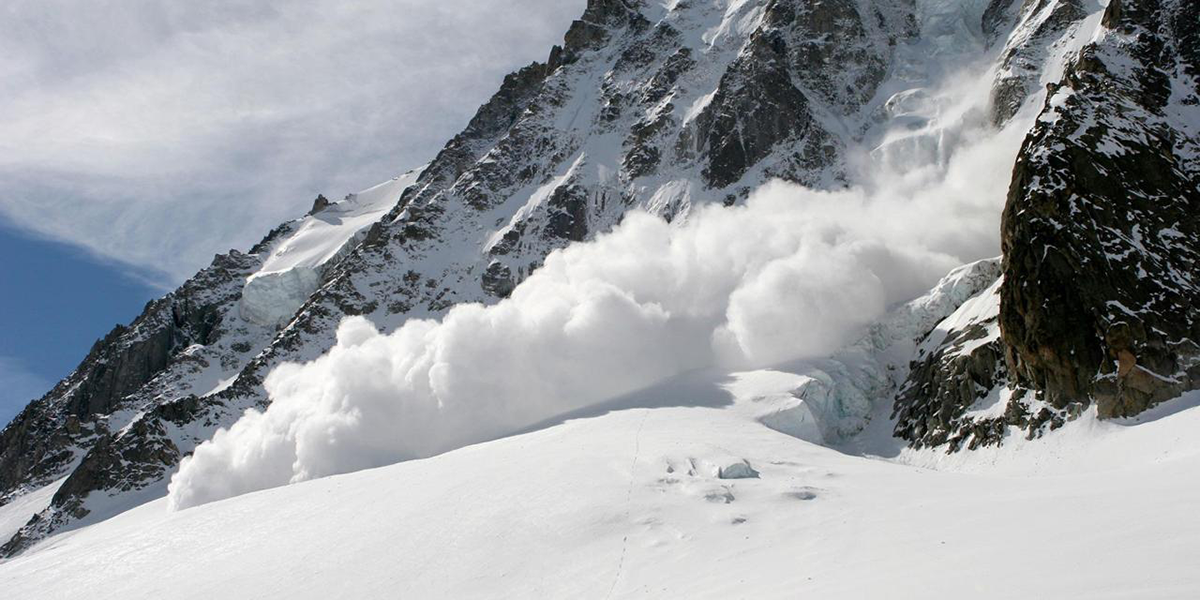
Avalanche
Avalanches are a rapid down-slope movement of snow, ice and debris that can be triggered by ground shaking, sound, extreme weather, human, or animal movement. Avalanches consist of a starting zone where the ice or snow breaks loose, a track, which is the grade or channel the debris slides down, and a run-out zone where the snow is deposited.
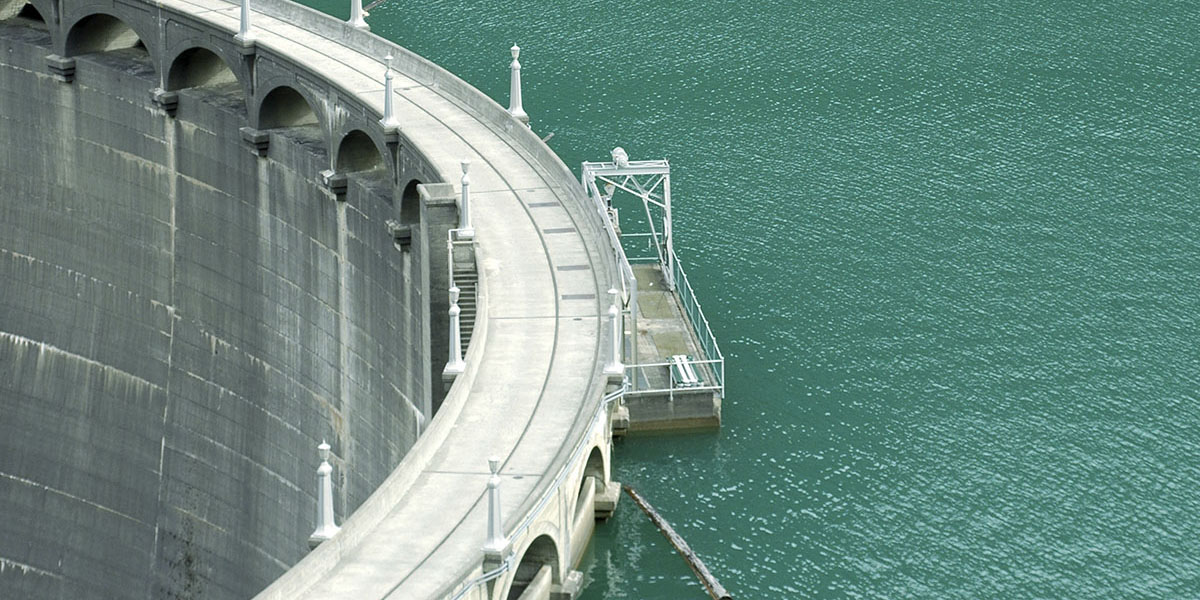
Dam Failure
Dams are structures built for a variety of uses, including flood protection, power generation, agriculture, water supply, and recreation. Most dams are typically engineered to withstand a flood with a computed risk of occurrence, such as a 100-year flood which has a 1% probability of occurring in any given year. As inflow to the water pooled behind a dam approaches the design capacity, emergency measures can usually be taken to release excess water.
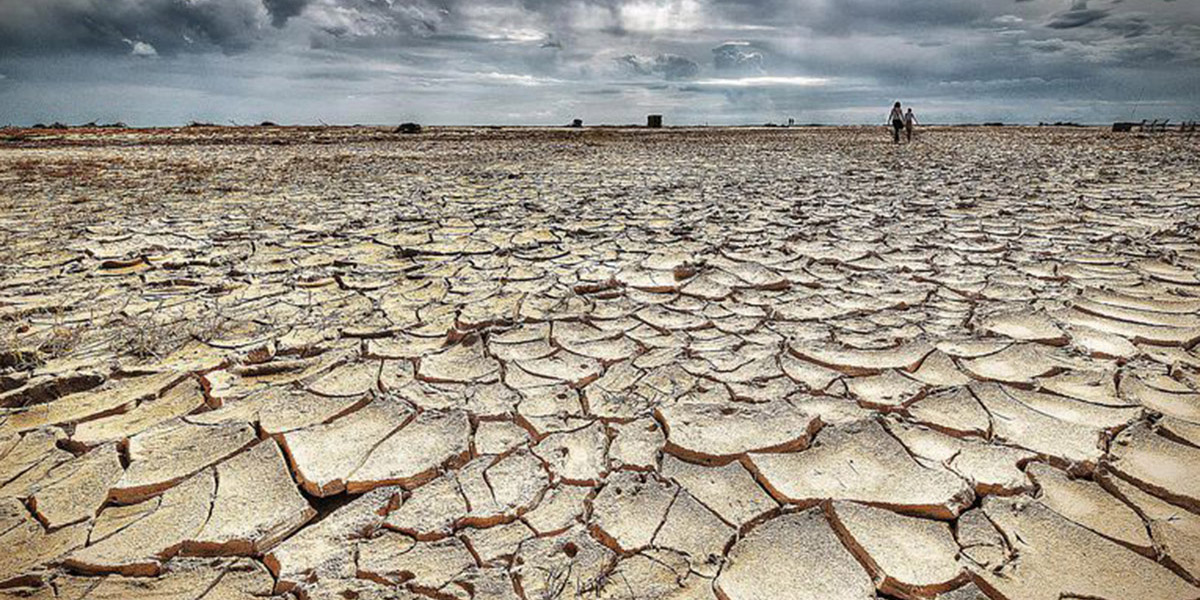
Drought
Utah is a dry state, with most areas receiving less than 10 inches of precipitation annually. The majority of this precipitation falls in the mountains at higher elevations. As a result, Utah communities have developed water systems that either maximize local water sources or bring in water from other areas to meet their needs.
Earthquake
An earthquake happens when two blocks of the earth suddenly slide past each other along a fault. Over time, pressure builds up in the ground from the movement of Earth's plates and other natural forces. When this pressure becomes too great, the fault suddenly slips and releases the stored energy. This creates waves that spread out through the rock in all directions, causing the ground to shake.

Flood
Flooding is the most commonly occurring hazard in Utah despite the state being one of the driest parts of America. It occurs in Utah in many ways. It can be sudden or slow. It can affect mountain streams or slot canyons many miles from any rainstorm. It can even occur far from any river or other water body.

Geologic Hazards
Geologic hazards are natural conditions or events that can cause injury or death, property damage, or environmental harm. These hazards include earthquakes, landslides, sinkholes, rockfalls, and other ground-related threats. In Utah, geologic hazards affect life safety, health, property, and the state's economy.

Severe Weather
Weather hazards—including floods, tornadoes, lightning, winter storms, and extreme temperatures—kill approximately 500 Americans annually. You can reduce your risk through education, heeding warnings, and preparing in advance.

Space Weather
Space weather as encompasses a range of phenomena occurring on the Sun, within the solar wind, and throughout the Earth's magnetosphere, ionosphere, and thermosphere. The adverse effects of space weather on technological systems have the potential to pose risks to human life and health.
Wildfire
Wildland fires often begin unnoticed and spread quickly, typically identified by dense smoke. These fires threaten lives, homes, and communities. Hot, dry conditions and high winds can cause fires to grow rapidly and unpredictably.
In Utah, many communities are located near forests, grasslands, and brush, which increases the importance of fire preparedness and defensible space around structures.