Dam Failure
Division of Emergency Management
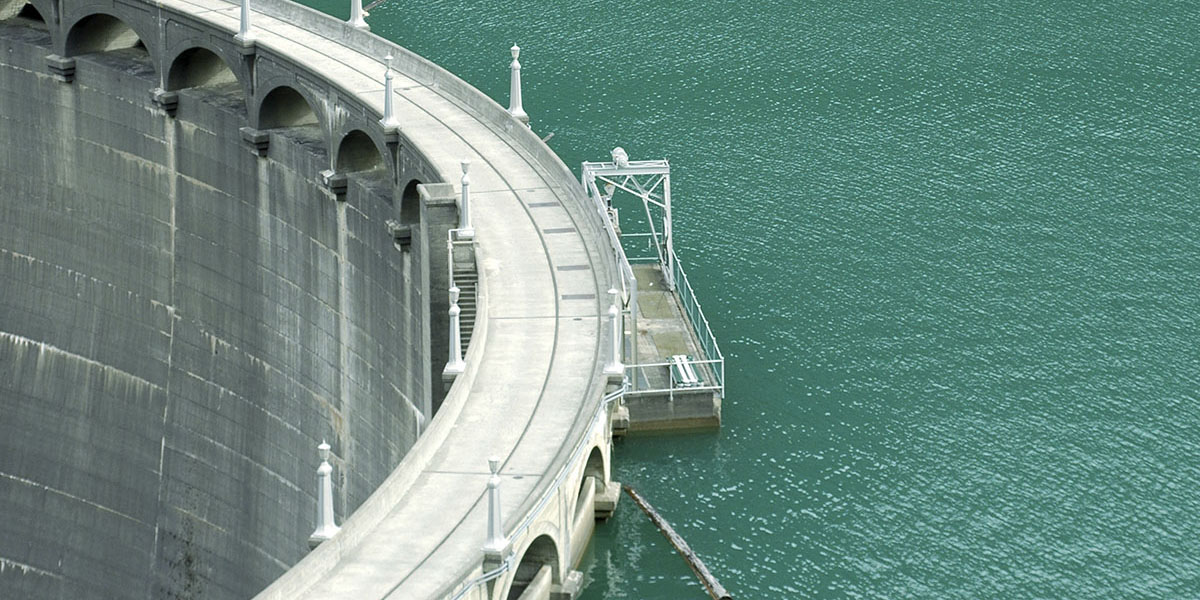
Dam Failure
Dams are built to control floods, generate power, store water for drinking and farming, and create recreational lakes. Most dams are designed to handle major floods—typically ones that have a 1% chance of happening in any given year.
How dams handle high water:
- Dam operators can open gates to release water when the reservoir gets too full
- All dams have emergency spillways to let out extra water
- These safety features usually prevent problems
How dams fail: The most common way dams fail is through overtopping—when water flows over the top of the dam instead of through it. This is especially dangerous for dams made of earth and rock, which can wash away quickly once water goes over the top.
Dam failures can also result from:
- Failure of upstream dams on the same waterway
- Poor maintenance
- Operator error
- Internal erosion from leaks, tree roots, or burrowing animals
- Earthquakes
- Extended heavy rainfall and flooding that overtops the dam
- Design flaws
- Spillways that are too small to handle extreme flows
- Intentional attacks on dam structures or control systems
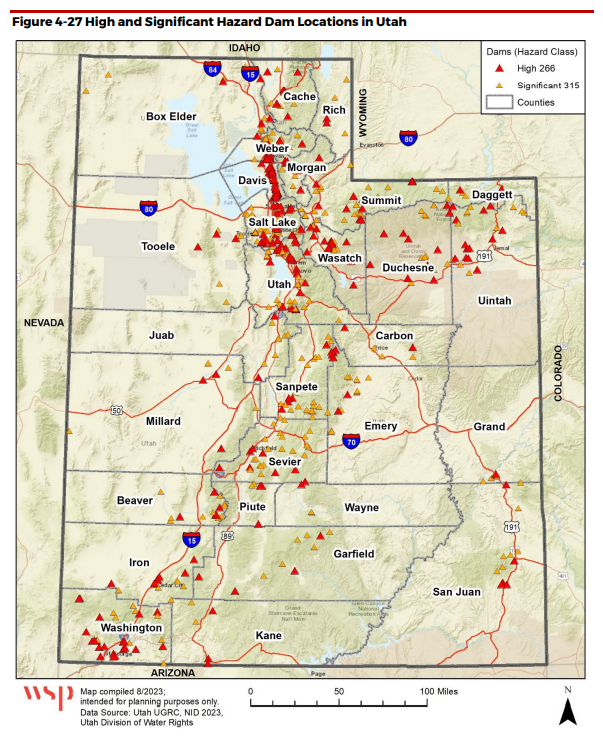
When a dam fails, it releases massive amounts of water that can cause catastrophic flooding downstream.
The severity depends on:
- How much water was behind the dam
- How quickly the dam fails
- What's downstream (homes, roads, bridges, businesses)
- How much warning time people have to evacuate
- The shape of the river valley
A major dam failure can:
- Kill people who can't evacuate in time
- Destroy homes, roads, and bridges
- Overwhelm local emergency responders
- Contaminate drinking water
- Disrupt communities for months or years
Flooding without dam failure: Dams can also cause flooding even when they don't fail. When heavy rain fills a reservoir too quickly, operators may need to release large amounts of water to protect the dam. These emergency releases are controlled but can still flood areas downstream that normally don't flood.
Mitigation Case Study: Laub Dam Breach 2012
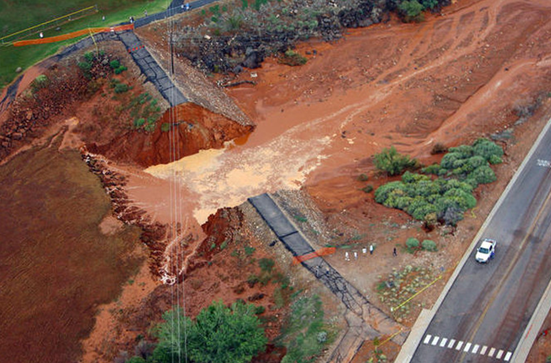
The Laub Detention Dam in Washington County, Utah failed on September 11, 2012 following a severe storm with heavy rainfall. Numerous homes, businesses, and roads were damaged but fortunately no lives were lost. A Presidential Disaster Declaration was declared for Washington County Utah on November 3, 2012. The Dam was rebuilt in 2013 and was renamed the Tuacahn Wash Lower Detention Basin.
Learn More About Our Partner Resources