Drought
Division of Emergency Management
Drought
Utah is a dry state, with most areas receiving less than 10 inches of precipitation annually. The majority of this precipitation falls in the mountains at higher elevations. As a result, Utah communities have developed water systems that either maximize local water sources or bring in water from other areas to meet their needs.
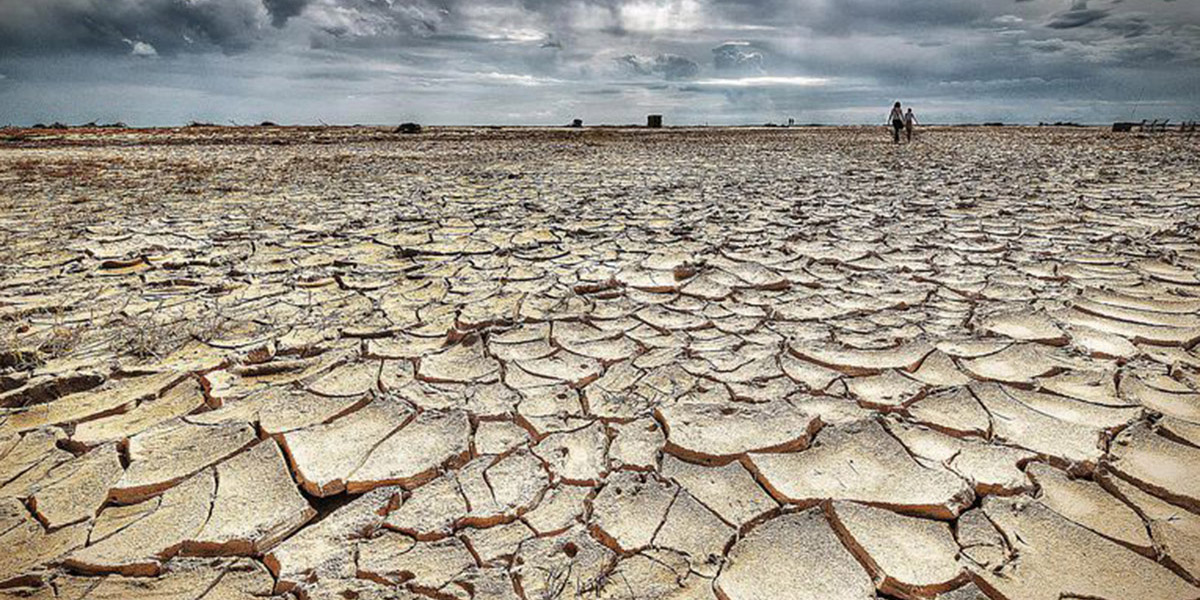
Aridity and drought are different. Aridity means a place is normally dry—that's just Utah's climate. Drought means conditions are drier than usual for a longer time than normal.
Drought impacts: Drought affects Utah's economy in multiple ways. Direct costs include purchasing more water for farms and livestock. Indirect costs—like increased wildfires and smoke affecting public health—often add up to more than the direct expenses.
Water management: Water managers monitor precipitation patterns and reservoir levels to plan for varying conditions across the state.
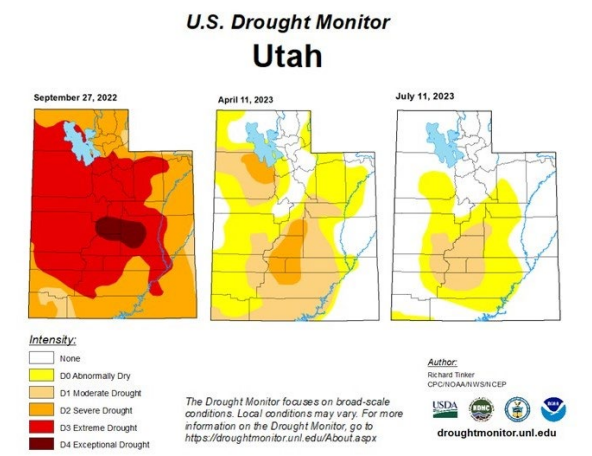

Drought happens when an area gets less rain and snow than normal for an extended time. What counts as "drought" depends on who you ask. A farmer, fisheries biologist, reservoir manager, and recreational skier all experience drought differently based on their water needs. The impacts of low precipitation also change over time, which is why drought is measured in different ways.
Mitigation Case Study: Dust Bowl Decade
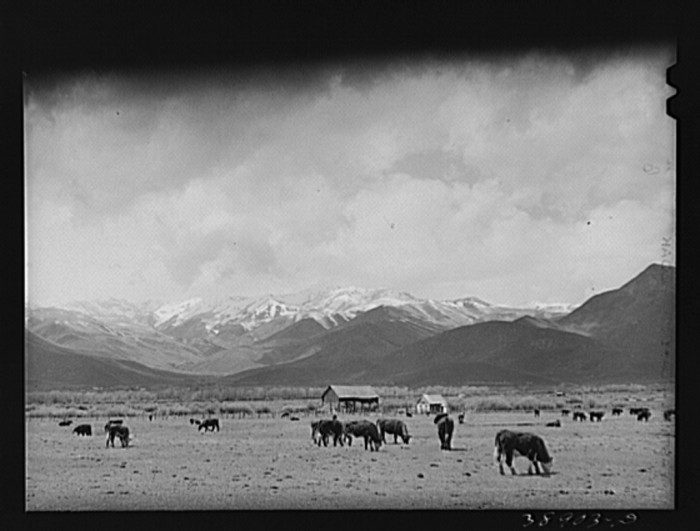
The Dust Bowl Decade from 1933 to 1943 affected approximately 75% of Utah. Agriculture productivity was decreased to almost half of prior years production and the number of farms significantly decreased. In addition to agricultural impacts, water storage supplies rapidly diminished with Utah Lake dropping to 1/3 of its total volume. During the summer of 1934 many communities established outdoor water use restrictions with lawn watering permitted only twice a week.
Utah appealed to the federal government for help and President Roosevelt approved grants totaling $1 million dollars. The money was used to install 276 wells and pipe or line thousands of miles of irrigation ditches.
Learn More About Our Partner Resources