Avalanche
Division of Emergency Management
Avalanches
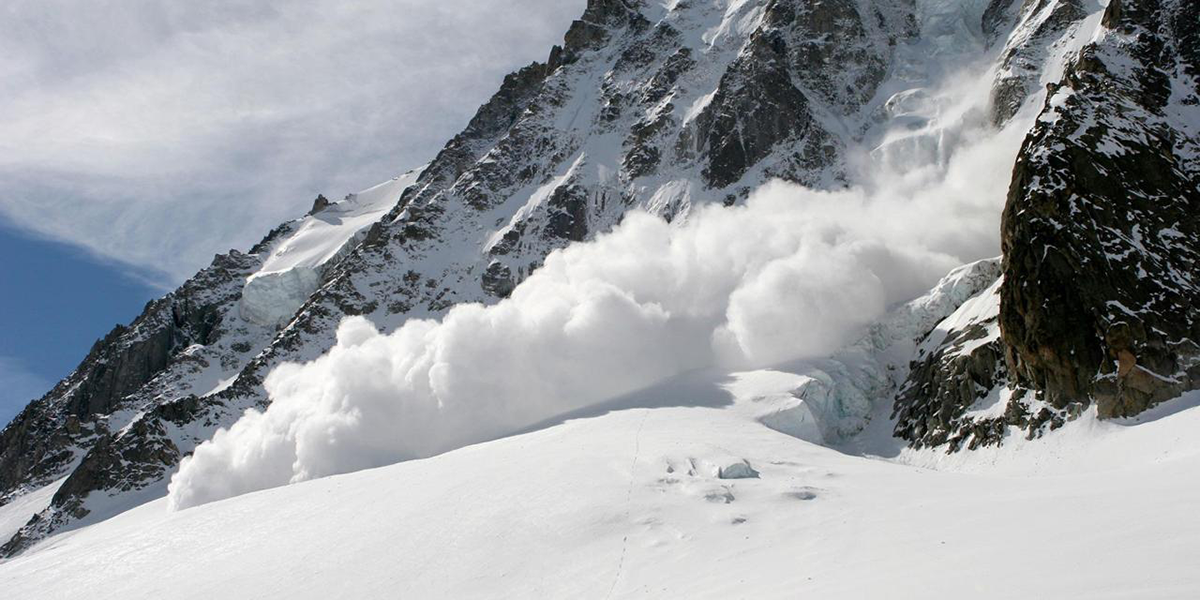
An avalanche is a mass of snow, ice, and debris that slides rapidly down steep slopes. In Utah's mountains, avalanches are most common from January through April when snowpack becomes unstable. They can be triggered by new snowfall, warming temperatures, wind loading, or human activity such as skiing or snowmobiling.
Avalanches kill more people annually in the U.S. than earthquakes. Checking avalanche forecasts and avoiding high-risk terrain can save lives.
Weather and terrain are the two main factors that create avalanche danger.
Weather conditions that increase avalanche risk:
- Heavy or frequent snowfall
- Rapid snow accumulation
- High winds that load snow onto steep slopes
- Warming temperatures that destabilize snowpack
Dangerous terrain:
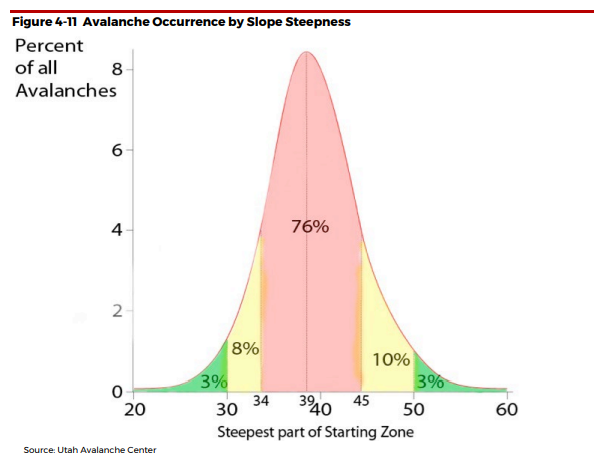
- Slopes between 30-45 degrees are most prone to avalanches
- Slopes below 30 degrees rarely avalanche
- Slopes steeper than 50 degrees produce smaller, loose snow slides that cause fewer deaths
Most deadly type: Slab avalanches are the deadliest. These occur when a cohesive layer of snow breaks away as a single unit and slides down the slope, often creating a dust cloud. They're triggered when new weight (from snowfall, a skier, etc.) overloads weak layers buried in the snowpack. Slab avalanches can reach 60-80 mph within five seconds.
Mitigation Case Study: Park City Deflection Dam Project
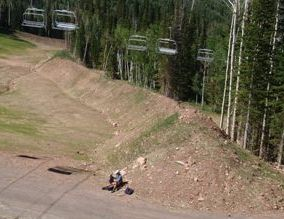
Avalanche forecasting and information: The Utah Avalanche Center (UAC) provides daily avalanche forecasts and conditions through their website and hotline, including:
- Current weather conditions
- Snowpack stability assessments
- Avalanche danger ratings for regions across Utah
Education and awareness:
- UAC and Utah ski resorts offer avalanche safety education for backcountry users
- Training programs for emergency managers help communities prepare for avalanche threats
- Public education helps recreationists make informed decisions about winter activities
Structural protection: In areas where avalanches threaten buildings or roads, permanent structures can reduce risk:
- Deflection dams (like the one above Park City) redirect or stop avalanches before they reach inhabited areas
- These structures work by breaking up snow movement before avalanches gain momentum
- Most effective on moderate slopes (12-20 degrees) and where multiple buildings need protection
Learn More About Our Partner Resources