Earthquakes
Division of Emergency Management

Earthquakes
An earthquake happens when two blocks of the earth suddenly slide past each other along a crack called a fault. Over time, pressure builds up in the ground from the movement of Earth's plates and other natural forces. When this pressure becomes too great, the fault suddenly slips and releases the stored energy as waves that spread out through the rock in all directions, causing the ground to shake.
Utah sits away from the major plate boundaries where most of the world's earthquakes happen. Instead, Utah is in the middle of the North American plate. However, forces from the Pacific plate along the West Coast still affect Utah, causing stress that can trigger earthquakes here.
Earthquakes can cause widespread damage and loss of life in multiple ways beyond just ground shaking.
Direct earthquake effects include:
- Cracks in the ground along faults
- Soil liquefaction (when saturated ground loses strength and behaves like liquid)
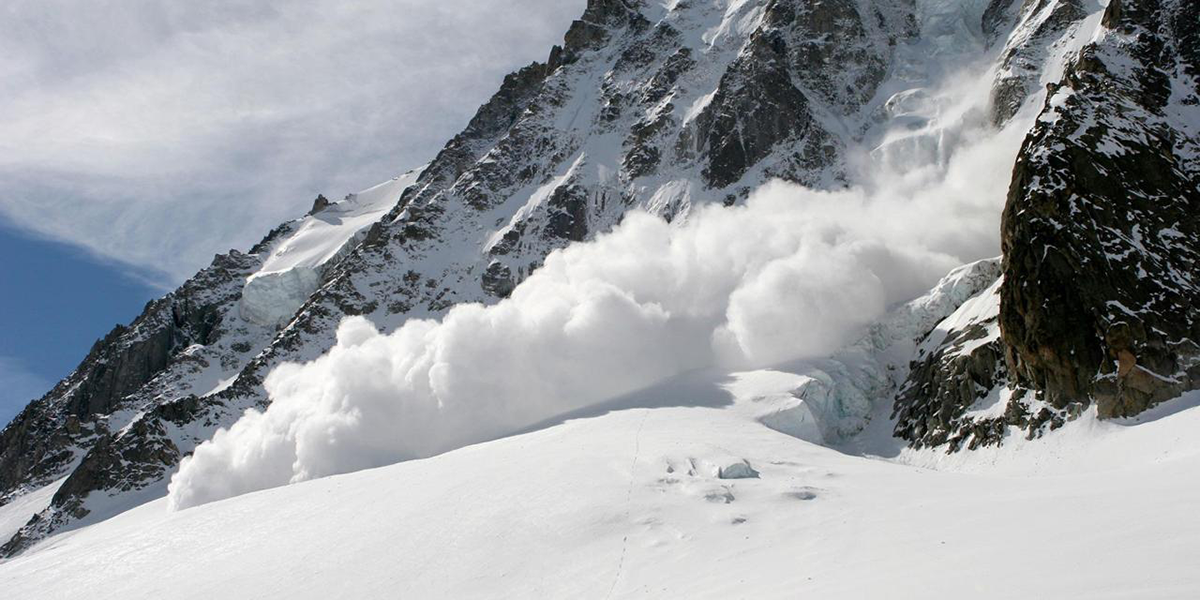
- Landslides and rockfalls
- Ground sinking or shifting
Damage from ground shaking can cause:
- Buildings and roads to collapse or crack
- Fires from broken gas lines
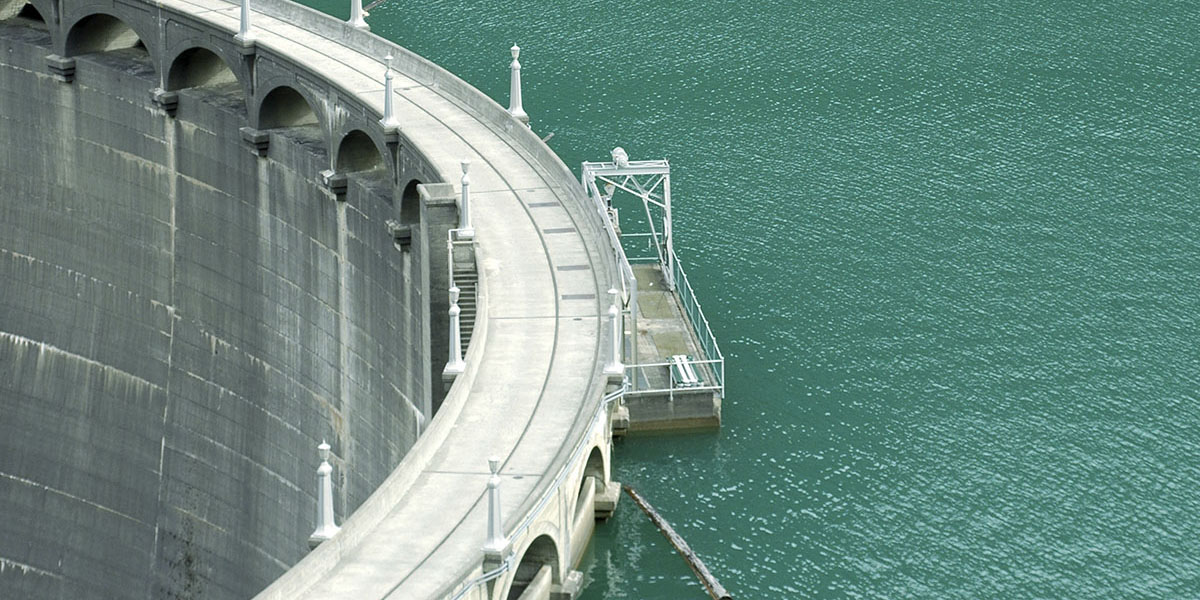
- Dam and canal failures leading to flooding
- Hazardous material spills from damaged facilities
- Indoor damage like toppled furniture, bookcases, and cabinets
- Falling ceiling tiles, light fixtures, and equipment
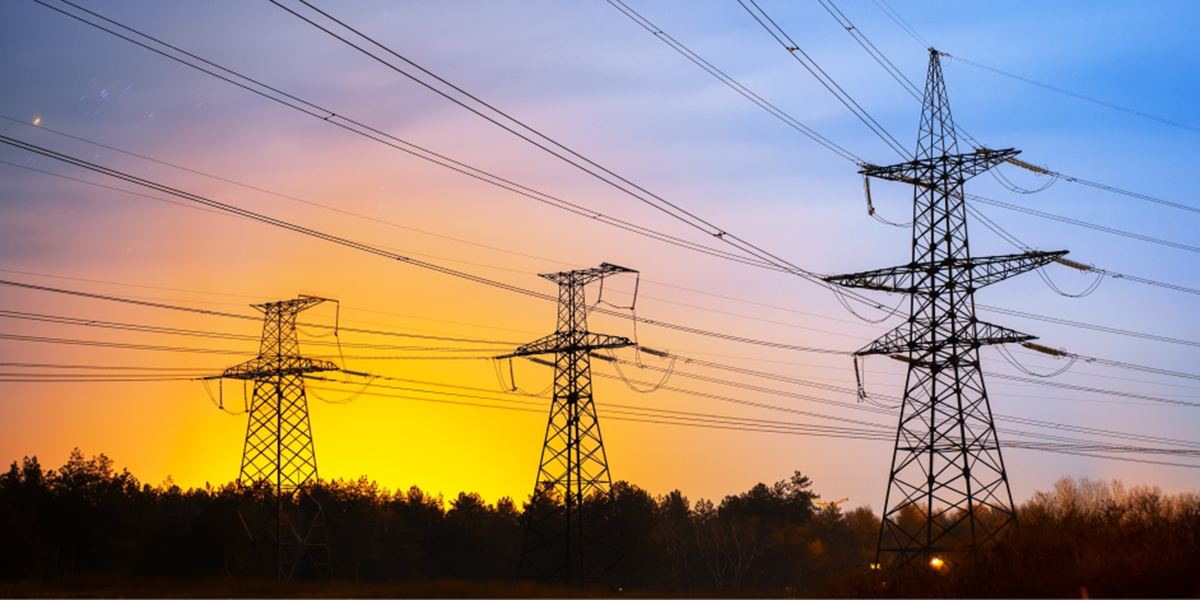
- Broken water and power lines
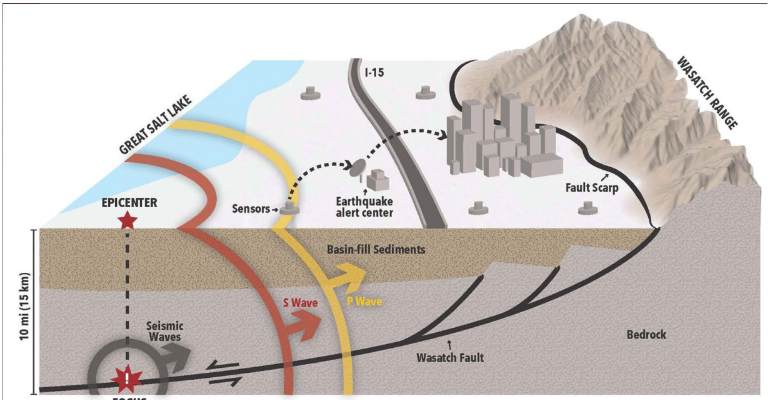
Utah sits between two geological regions: the Basin and Range to the west (where the earth's crust is stretching) and the more stable Rocky Mountains and Colorado Plateau to the east. This boundary area experiences frequent earthquake activity in a zone called the Intermountain Seismic Belt.
The Intermountain Seismic Belt is up to 120 miles wide and runs 800 miles from Canada through Utah to northern Arizona and eastern Nevada. In Utah, this earthquake zone runs through the center of the state, roughly following Interstate 15, where many active faults can produce earthquakes.
More than 85% of Utah's population lives in this earthquake zone along the Wasatch Front, including the rapidly growing St. George and Cedar City areas.
Utah's earthquake history: Earthquakes of magnitude 6 or larger can cause serious damage to buildings, roads, bridges, and utilities, leading to injuries and deaths. Utah has experienced several significant earthquakes:
- 1934: A magnitude 6.6 earthquake near Hansel Valley caused ground rupture and killed two people—Utah's only historical earthquake to break the ground surface
- 1975: A magnitude 6.0 earthquake in Pocatello Valley, Idaho, affected northern Utah
Mitigation Case Study: Fix The Bricks Program

For more resources and information on earthquakes in Utah, please visit earthquakes.utah.gov
Learn More About Other Partner Resources