Geologic Hazards
Division of Emergency Management

Geologic Hazards
Geologic hazards are natural ground conditions that can cause injury, death, property damage, or harm to the environment. These hazards affect Utah's residents, property, and economy.
Utah law defines geologic hazards as "a geologic condition that presents a risk to life, of substantial loss of real property, or of substantial damage to real property" (Utah Code Title 17, Chapter 27a, Section 103.3).
Common geologic hazards in Utah
Ground Movement:
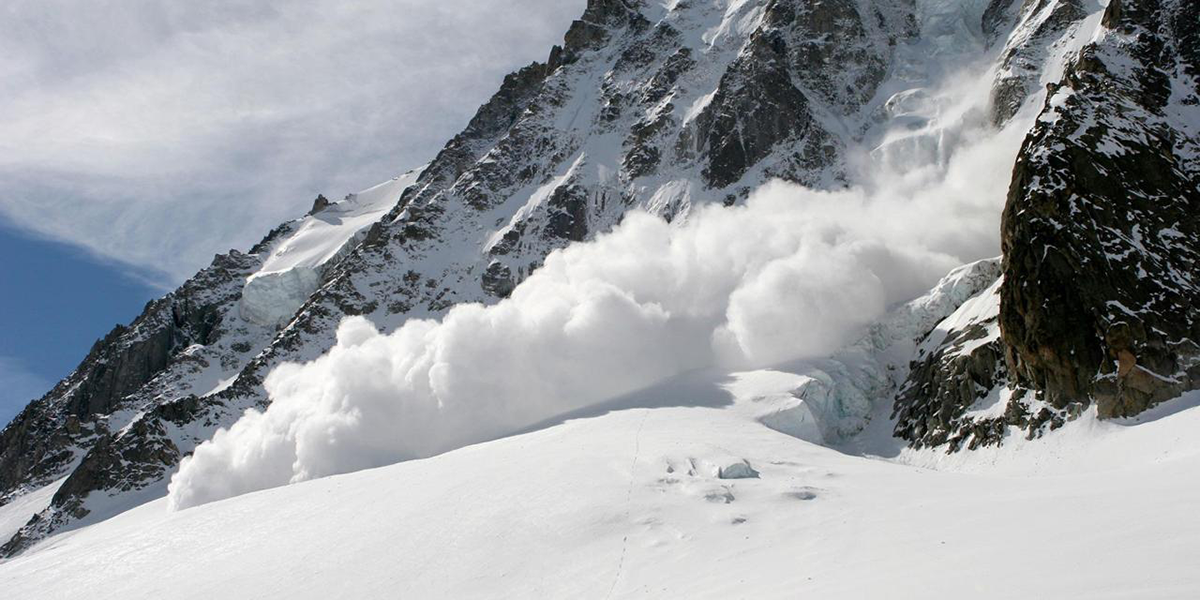
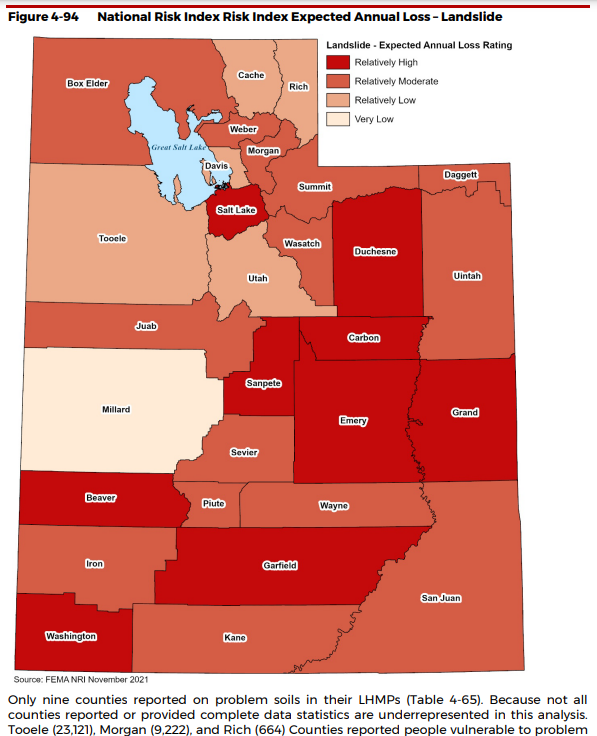
- Landslides, rockfalls, and debris flows
- Land subsidence and ground cracks
- Soil erosion
Problem Soils:
- Expansive soils (swelling clays that damage foundations)
- Collapsible and corrosive soils
- Liquefaction (soil losing strength during earthquakes)
Other Geologic Hazards:
- Radon gas
- Shallow bedrock
- Volcanic activity (eruptions and ash)
Cost and Insurance Considerations
Many geologic hazards aren't life-threatening but can be expensive. Early identification of hazards during planning and design helps avoid costly repairs, construction delays, and higher maintenance expenses.
Most property insurance doesn't cover damage from geologic hazards like earthquakes, landslides, flooding, sinkholes, or expansive soils. Homeowners and businesses may be able to purchase separate coverage or add endorsements to existing policies for specific hazards. Review your policy to understand what is and isn't covered.
Prevention is More Cost-Effective
Investigating potential geologic hazards before construction is almost always cheaper than addressing problems later. The Utah Geological Survey (UGS) recommends conducting geologic and geotechnical investigations by licensed professionals before development projects. These investigations:
- Identify what hazards exist at a site
- Determine how severe they are
- Recommend solutions to address them
- Save money on construction and long-term maintenance
Mitigation Case Study: Horizon Elementary - Murray School District
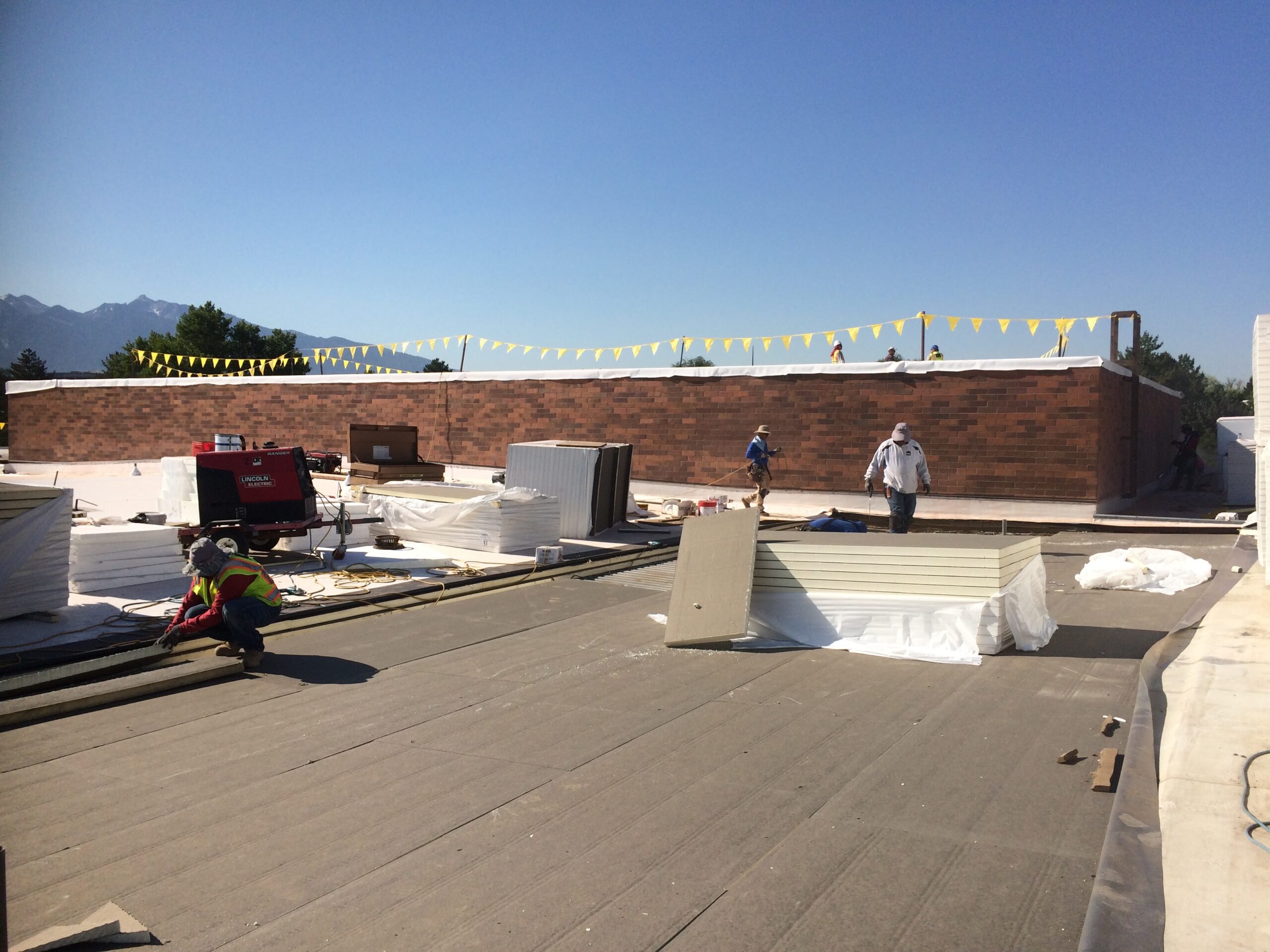
In 2013 Utah lawmakers approved a public school seismic study requiring all school districts that requested bond funding to perform structural seismic investigations on all buildings constructed before 1975. They allocated $150,000 for a School Building Earthquake Inspection Program.
In 2014 and 2015 the Murray School District secured FEMA grants with local matches totaling nearly $4 million to perform seismic retrofits on all of the K-12 schools in their district to make their more earthquake safe.
Utah’s Seismic Safety Commission has 15 board members that advise federal, state, local jurisdictions and the private sector on earthquake-related policy and loss-reduction strategies.
Learn More About Other Partner Resources