Step 1: Be informed
What does it mean to “be informed?”
Knowledge is power, especially when it comes to emergency survival. Being informed with truthful and accurate knowledge allows you to make better decisions when it really matters.
Take the time before an emergency to learn about the risks you might face, and what you need to do to prepare.
Be informed action list
- Identify the predominant disasters and hazards where you live.
- Identify what impacts those disasters and hazards could cause.
- Learn, teach, and practice the protective actions to survive those hazards.
- Learn different sources of emergency information where you live. Sign up for your local warning system.
BONUS: Get a NOAA emergency alert radio.
Identify hazards where you live
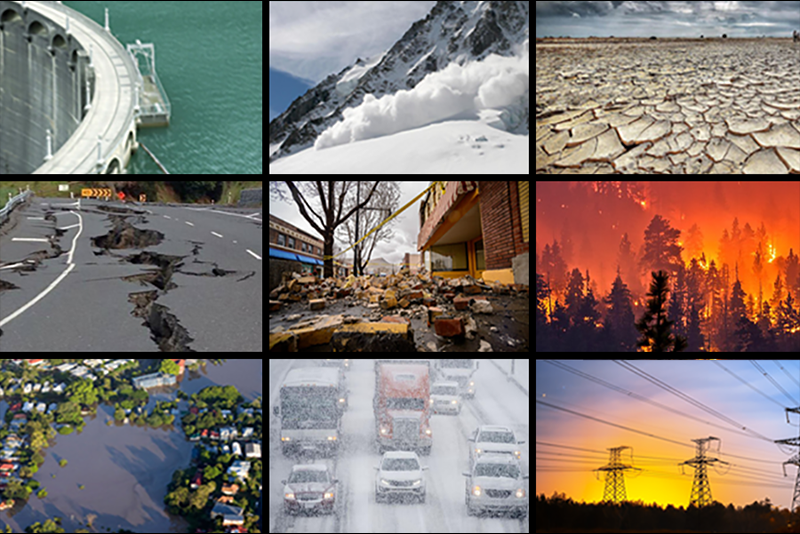
Utah's varying climate and terrain create a wide range of hazards. Every Utahn should know which hazards are present in their area, both natural and human-caused.
Click on the button below for more information on some of the hazards in Utah. Then contact your local emergency manager and do an online search to see if there are any other hazards unique to your local area.
Identify impacts from hazards
Hazards themselves are only part of the picture. What you're really preparing for are the downstream impacts: the disruptions to everyday life that follow. Remember that large disasters like earthquakes can cause cascading events that turn into additional disasters.
Think through each one and plan accordingly. Then go through the disasters and hazards again and see if there are any impacts that you may have missed.
The more you learn, do, plan, and gather now, the more likely you will be able to get through a difficult situation with dignity, comfort, health, and peace of mind intact.
Learn protective actions
“If you don’t know how to survive the disaster,
then the rest of your plans don’t really matter.”
Protective actions are the immediate actions you take to protect yourself and others from the initial impact of a hazardous event.
As you learn the protective actions for different hazards, it is important to teach them to those you care about.
Remember that only talking about a protective action is not as effective as physically demonstrating and then practicing the action together. The point is to remember these protective actions quickly and to act on them immediately when it matters most.
Review them every few months.

Learn sources of information
Knowing how you will receive emergency information is as important as knowing what hazards you face. Learn how you can receive alerts, instructions, and other public information in the event of an emergency in your area.
Sign up for your local emergency alerts and create text groups for family and other important contacts so they are ready in the event of an emergency.
Warning systems vary by jurisdiction. Contact your local emergency manager to find out what's available in your area.

What's next? Step 2: Make a plan
The next preparedness principle is "make a plan." Learn about and create communication and reunification plans, shelter and evacuation plans, important information and documents.
You'll also learn about making plans for older adults, children, infants, those with access and functional needs, and your pets.
Finally, you'll learn about hazard insurance.
More information
Downloads
- Be Ready Utah resource library
- FEMA preparedness publications