Water storage and treatment
Why is water important?
Our bodies are made up of 60 to 70 percent water, and we need it for every single body function to work properly. You can only survive for about three to four days without water.
If you are thirsty, you are already dehydrated. The best indicator of how much water you need is your urine. You are probably hydrated if it is clear and frequent. You are probably dehydrated if it has color or you don’t go very often.
Water storage and treatment action list
Two week supply of water
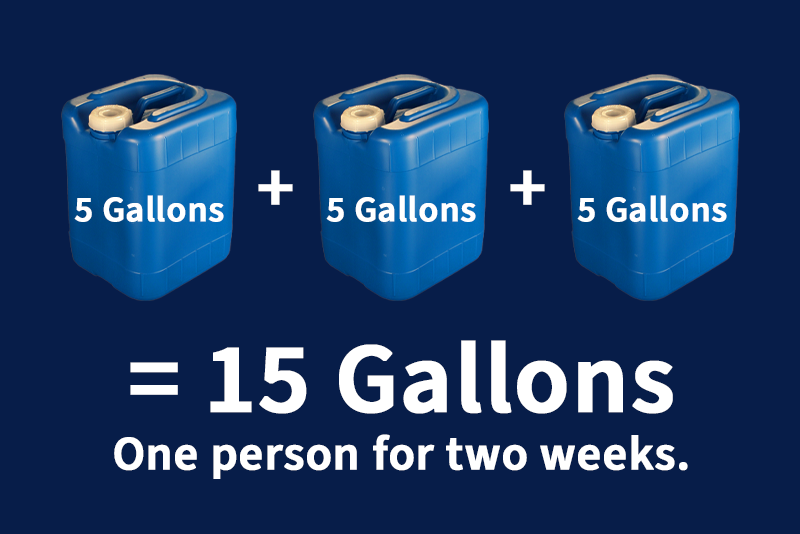
Store a minimum of one gallon per person per day.
- ½ gallon for drinking
- ½ gallon for cooking and hygiene
Store a bare minimum of a two-week supply for your family, that's at least 14 gallons per person. If you have storage space, we recommend storing one month or more of water.
You will need to store more than the standard amount if you live in high altitudes or dry climates. Children, elderly, sick, nursing mothers, or those who are physically exerting themselves will also need more than the minimum recommended amount of water.
Enemies of water storage
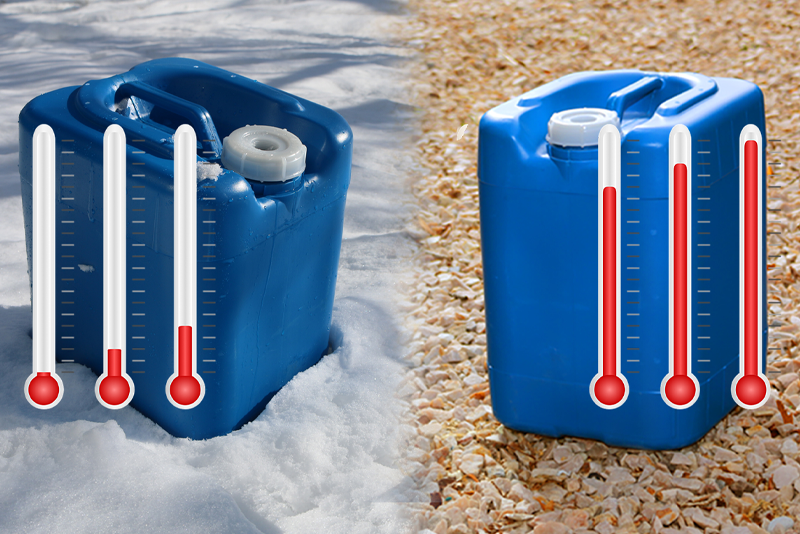
The ideal environment for long-term water storage is cool, dark, and dry, with temperatures between 40°F and 60°F.
Four main factors can spoil your stored water: light, temperature, moisture, and contamination.
Contaminants: NON-municipal water from source like lakes, streams, springs, or even well water can already be contaminated.
Contamination can also come from unclean containers and from not keeping things clean as you fill your water.
Tap water from a city system is already treated and safe for long-term storage.
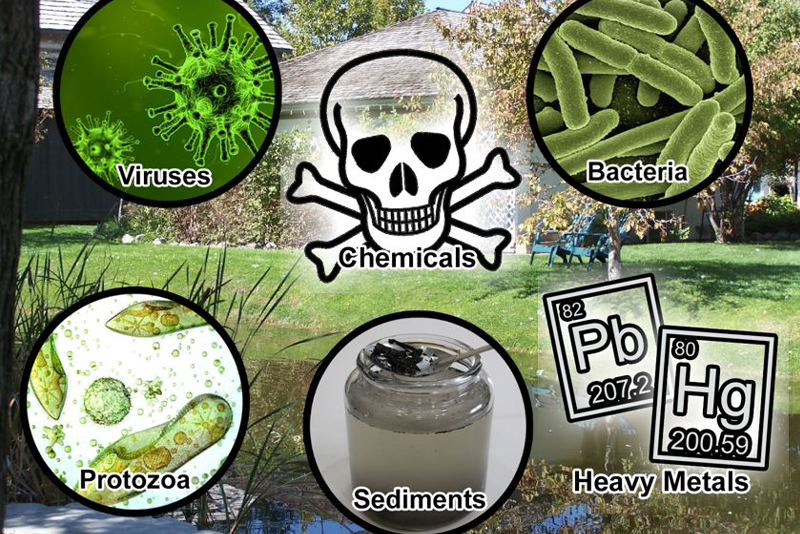
Protozoa (3+ microns): Tiny parasites like Cryptosporidium and Giardia.
Bacteria (0.4+ microns): Microbes like E. coli, Salmonella, and Cholera.
Viruses (0.01 microns): Ultra-tiny germs like Rotavirus and Hepatitis. Dangerous waterborne viruses are rare in North American water systems.
Chemicals and heavy metals: These can come from natural soil minerals or pollution from farms and factories.
Sediment: Floating dirt, sand, and plant material.
Water storage containers
There are many different options for storing water. Choose which ones work for you.
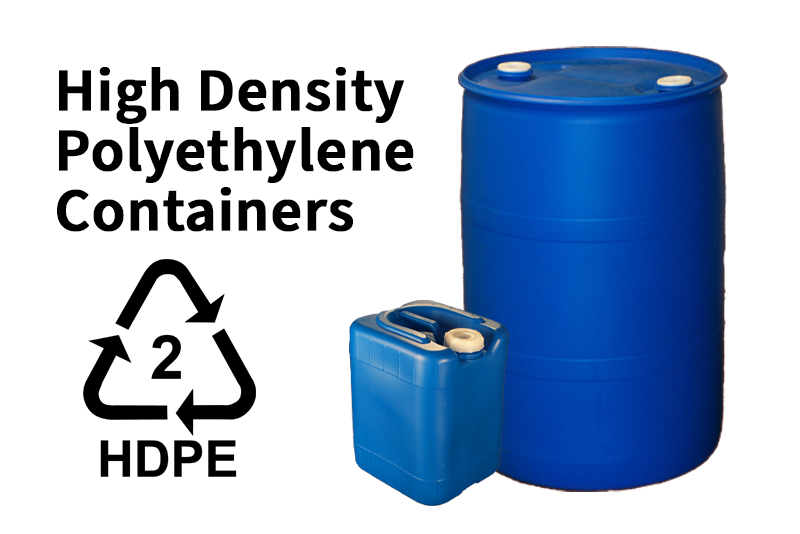
Pre-used containers: Food grade containers can sometimes be found at restaurants or other food preparation locations. Ask what they do with their empty containers. Some places may even give them to you. Choose containers that will be easy to clean and that don't have strong odors. Your water will probably taste like whatever was in it before.
A great option for water storage are two and three liter plastic soda pop bottles. They are durable and air tight, perfect for long-term water storage. Just make sure they are completely cleaned and rinsed before filling.
How to sanitize used food containers: Mix 1 teaspoon of unscented bleach per 1 quart of water. Swish it around all inside surfaces, let it sit for 30 minutes, and rinse thoroughly with clean water before filling. If using soap, rinse completely so your stored water doesn't taste like soap.
Phthalate is an unsafe chemical that comes from some plastics. Polyethylene storage containers are specifically designed for safe, long term use with food and water. If there is any kind of leaching into the water from the container itself, it is miniscule and cannot harm you.
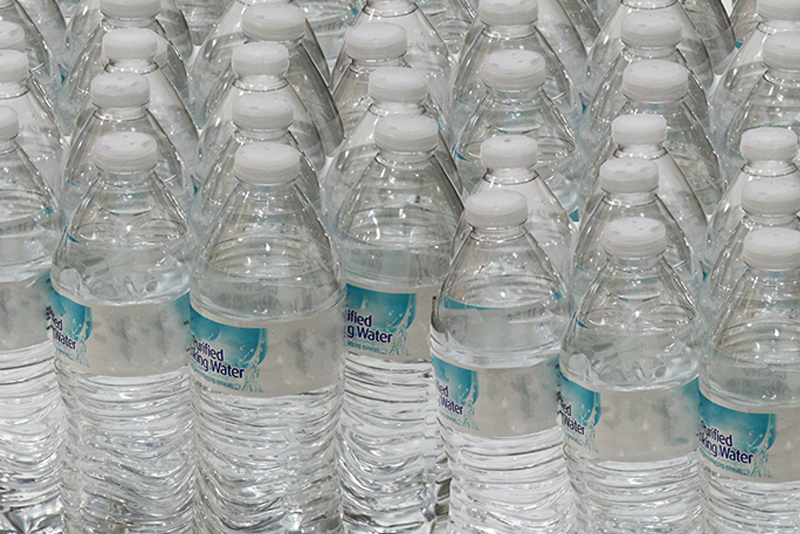
Store-bought bottled water: It is convenient, ready-to-go right from the package, and is a good size for carrying. Bottled water has a recommended two to three year shelf life. Make sure you rotate it.
If you are limited on storage space, don't put all of your water storage in water bottles. You can't store as much water in the same space as a larger storage container.
Glass jars: Not recommended for primary long-term storage because they can easily break.
Metal containers: Not recommended for long-term storage because of possible rust and a metallic taste in the water.
Containers with chemicals or dangerous substances: DO NOT USE FOR DRINKING WATER! You can NEVER make it clean enough to be safe for drinking water.
Some like to use bleach or laundry soap containers to store water for cleaning and sanitation purposes. That’s OK, just label them as such.
Milk jugs: DO NOT USE FOR DRINKING WATER! The jugs quickly break down and become brittle within a few years.
Water storage how and where
In emergency preparedness, there is ideal and then there is what we can really do. Budget, time, storage space, and many other factors determine how close we can get to ideal. Don’t get discouraged and don’t give up. Do what you can with what you have, then upgrade as you can. Something is always better than nothing.
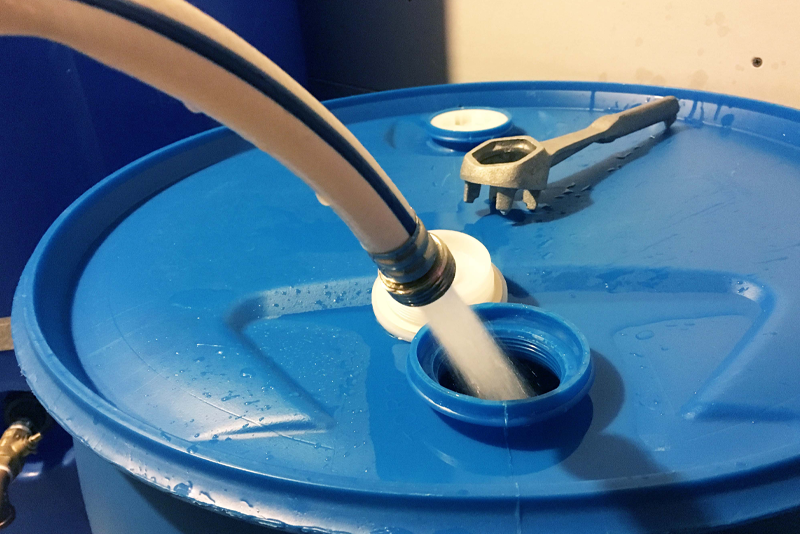
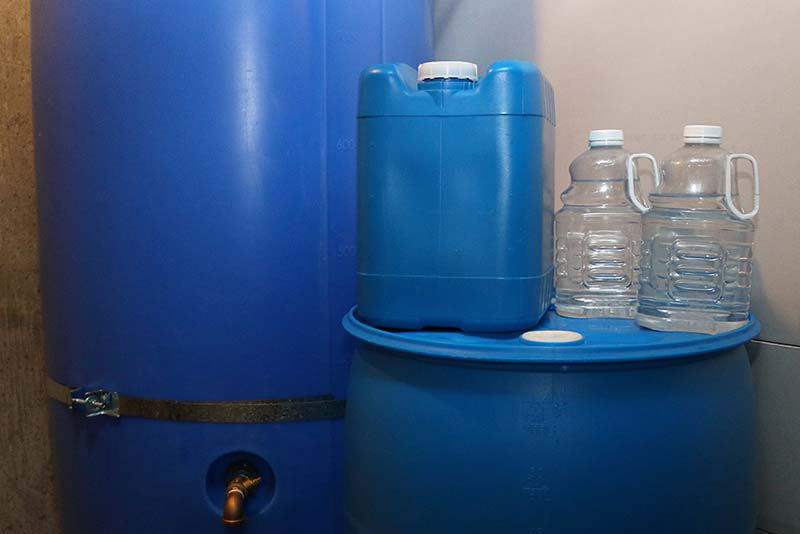
Don't re-treat tap water: Municipal water is already treated and is ready for long term storage. Save your money and put it towards a good water filter.
Treat well or other non-tap water before storage: Always treat well water or spring water in the storage containers before storing it for long-term storage.
Rotation: Some say to rotate your water every 6 months. Utah State University Extension states, "When potable water (drinkable water) is properly disinfected and stored, it should have an indefinite shelf life."
Check yearly: Check for odd smells, discoloration, contamination, and leaks. Replace if necessary.
Store it cool, dark, and dry: Ideal storage temperatures are between 40 and 60 degrees, with windows blacked out, and low humidity.
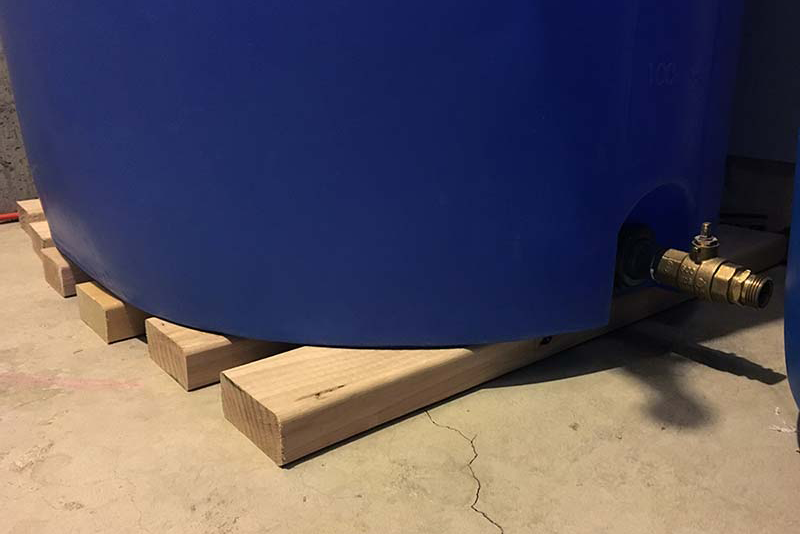
Plan before filling: A full 55-gallon barrel weighs 480 pounds. Make sure you fill it in a spot where it can also be drained easily.
Multiple storage locations: Store water in a few different locations in case one area gets damaged during an emergency.
Best locations: Indoors, in a dark basement or cool storage room.
Okay locations: Garages, sheds, or under sinks. Keep away from strong chemical smells (paint, gasoline) that can seep through plastic container walls. Rotate every one to two years.
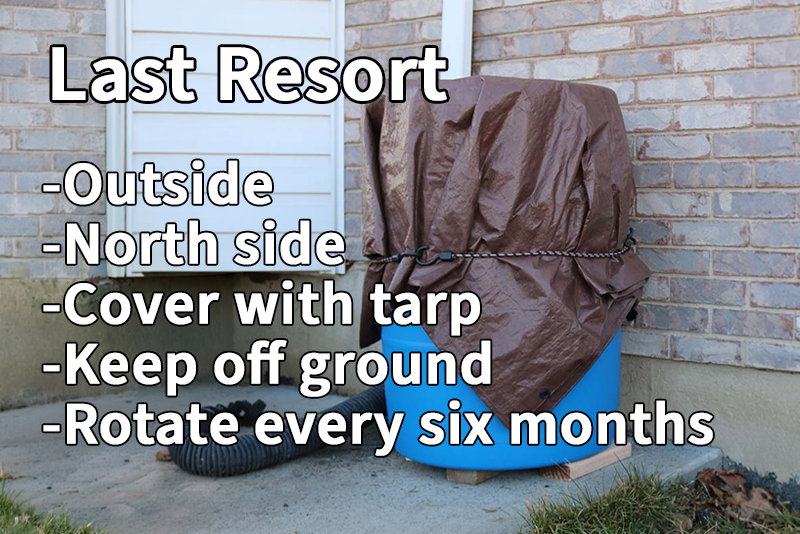
Last resort locations: Outdoors on the north side of your home under a thick tarp to block light and weather. Keep off the bare ground, leave a small space at the top of the container for freezing expansion. Rotate water every 6 months. Replace outdoor containers every 5 to 10 years.
Water treatment and supplies
No matter how much water you store, it will eventually run out. In an emergency, you might suddenly find yourself without clean, safe water to drink. Knowing how to treat new water sources and make them safe will help you "be ready."
If there is any question as to the safety of your water, from inside or outside sources, treat it.

Disaster supply kit: Water storage and treatment
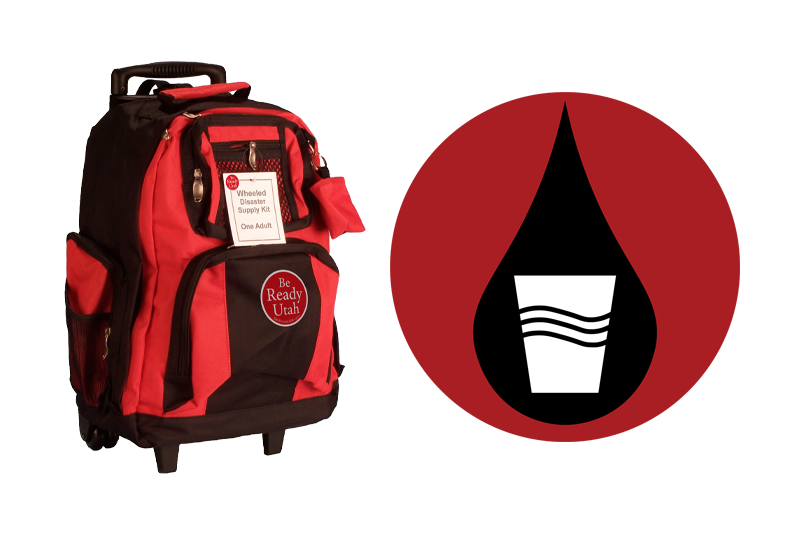
Disaster supply kits need to be unique for each individual according to your own needs, abilities, and wants. "Be ready" with the right stored water and means of treating more water in your emergency kits.
More information
Videos
- PSA: Talk About Water Storage
- The Be Ready Buzz: Pre Bottled Water
- The Be Ready Buzz: One Gallon of Water Per Day
- The Be Ready Buzz: Two Liter Bottle Water Storage
- PrepCast: Importance of Water
- PrepCast: Water Storage
- PrepCast: Water Treatment
- Webinar: Water Storage and Treatment
- 20 to Ready: Water Filter
- 20 to Ready: Purify Water
- 20 to Ready: Got Water?
- 20 to Ready: Water Storage
- 20 to Ready: Got More Water?