Light and power
Why are light and power important?
Emergency lighting keeps you safe and helps you stay calm. Light helps you spot dangers and figure out what is happening during a disaster. If you have ever been in a dark cave, you know how hard it is to move around without light.
Since ancient times, humans have used fire and light to chase away the dark. Darkness makes people feel scared, confused, and depressed. Even a light as small as a candle can give you hope and show you a safe path.
Power outages happen all the time, especially during big storms or emergencies. If the power goes out at night, even your own home can feel confusing. In an earthquake or major storm, furniture and other things can be thrown around the floor, creating hidden hazards in the dark that can hurt you.
Today, we depend on electricity for almost everything, including phones, house lights, and life-saving medical gear. When the power goes out, life gets tough quickly. By preparing now with these safety tips and preparedness suggestions, you can turn a scary emergency into a small inconvenience.
Light and power action list
- Prepare for a power outage.
- Learn how to safely shut-off all the utilities at your home.
- Do a light and power home hazard hunt.
- Add light and power supplies to disaster supply kits.
BONUS: Get a generator and learn how to safely use it to power larger appliances in your home.
Power outage preparedness
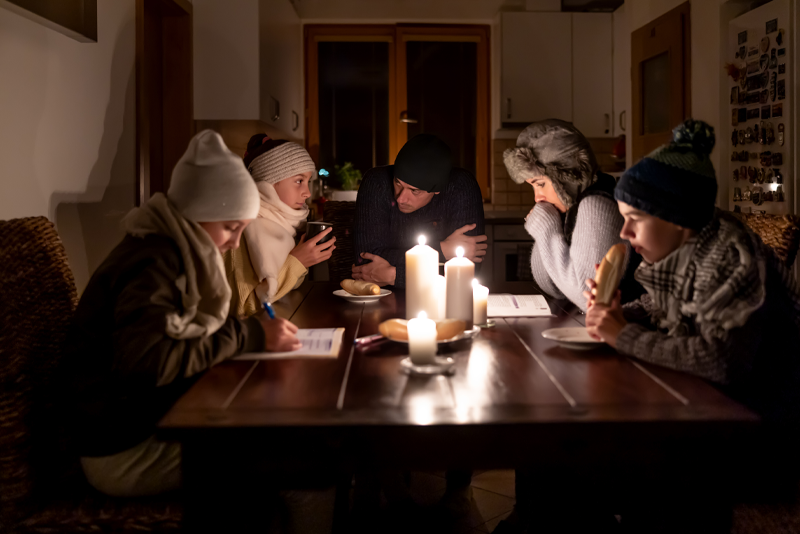
Power outages are very common, especially during emergencies and disasters. Knowing what to do in a power outage situation can help you "Be Ready" for your own safety and the safety of others.
Light and power home hazard hunt
Doing a home safety check for light and power issues is a great way to keep your family safe and prevent electrical fires. Here are simple tips to secure your house with lights and also protect against possible electrical hazards.
Lighting and visibility
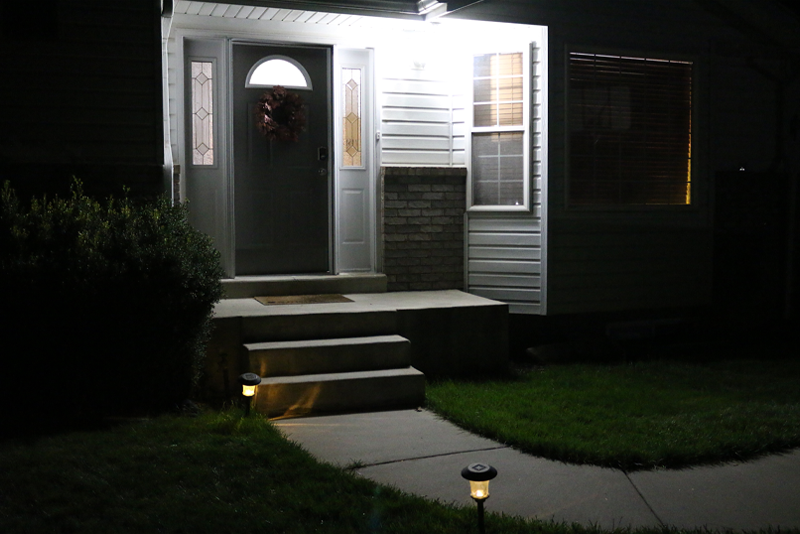
- Light up dark areas: Put good lights in hallways, stairways, porches, and entryways to prevent falls.
- Use motion-sensor lights: Place these outside front and back doors. They turn on when someone walks by, helping you see at night and scaring off unwanted visitors.
- Make your house number visible: Ensure your house number is lit up and easily seen from the road so emergency workers can easily find your home during a crisis.
- Get backup emergency lights: Place battery-powered emergency lights along your exit paths like hallways and tops and bottoms of stairs in case the power goes out during a fire or other emergency.
Electrical Safety
Have a licensed electrician check your home's wiring, and follow these rules:
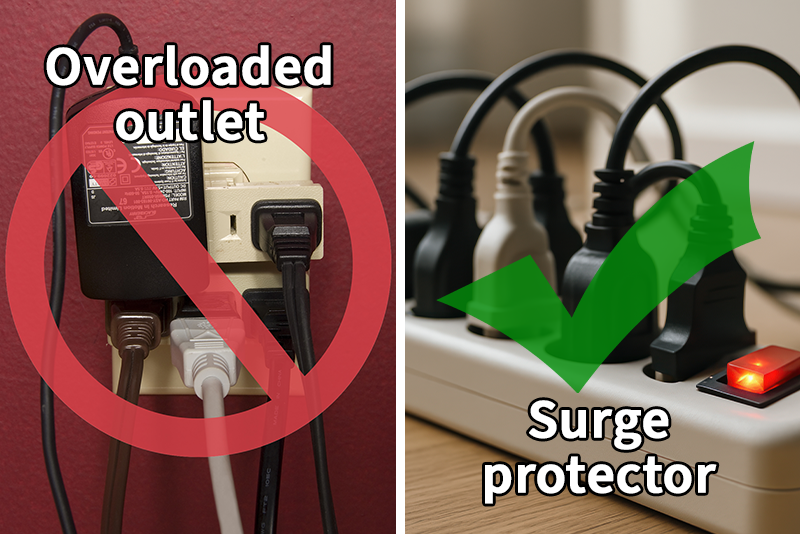
- Don't overload outlets: Plug only a few items into one outlet so the wires don't overheat and start a fire. Avoid long extension cords.
- Keep cords safe: Never run electrical cords under rugs, over hooks, through doorways, or under heavy furniture.
- Cover wall switches: Make sure every outlet and light switch has a plastic cover plate that fits tightly.
- Use surge protectors: Plug electric devices into surge protectors to guard against sudden power spikes and minimize overloading power outlets.
- Install GFCI outlets: Use special Ground Fault Circuit Interrupter (GFCI) outlets near water sources like bathrooms and kitchens to prevent electric shocks.
- Check light bulb wattage: Use the correct wattage bulb for each lamp. Using a bulb with a wattage that is too high can cause a fire.
- Look for safety labels: Make sure appliances have a "UL" safety stamp on them.
- Fix tripping breakers: If your power cuts off often, call a certified electrician to upgrade your system.
Everyday emergency light
You never know when you could be in a dark situation. No matter where you go, always bring a light source with you.
- Everyday carry: Keep a small flashlight with you and make sure your cell phone is always charged so you can use its flashlight feature. You will use it more often than you think! If you use a flashlight, charge it ait least once a week or check and replace the batteries once a month.
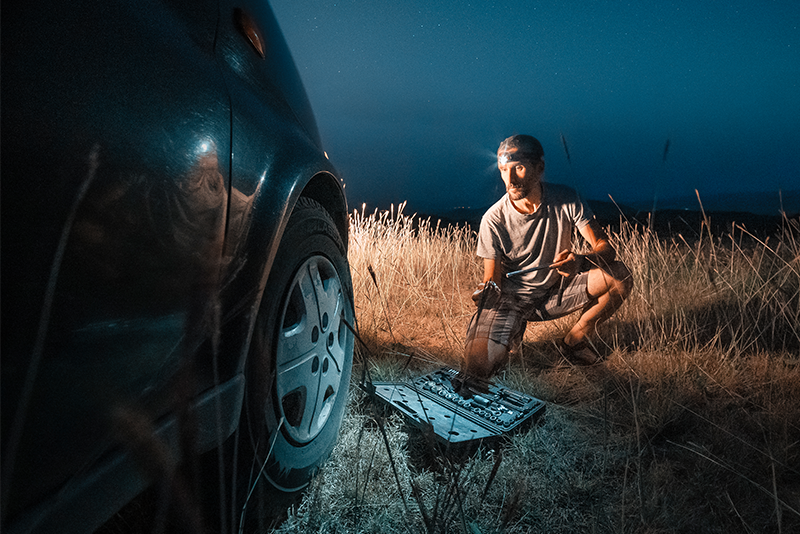
- Car safety: Keep a flashlight, headlamp, or chemical glow sticks in your car. If your car breaks down at night, light helps you see what you are doing—like changing a flat tire—and helps other drivers see you.
- Emergency signals: If you get lost or stuck, you can flash your light to signal for help in the dark.
- Day hikes: Always pack a light even if you only plan to hike during the day. Unexpected delays can happen, and you do not want to get stuck on a trail after the sun goes down.
Disaster supply kit: Light and power
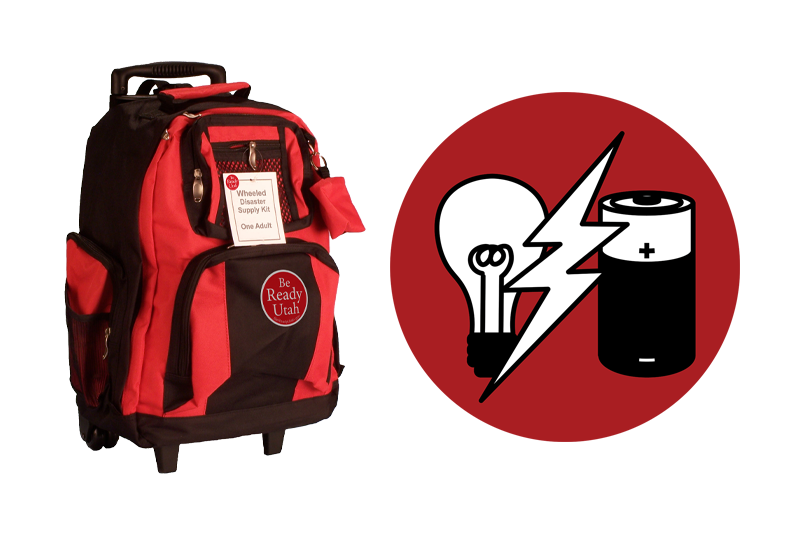
Disaster supply kits need to be unique for each individual according to your own needs, abilities, and wants. "Be ready" with light and power items in your emergency kits.
Generator safety
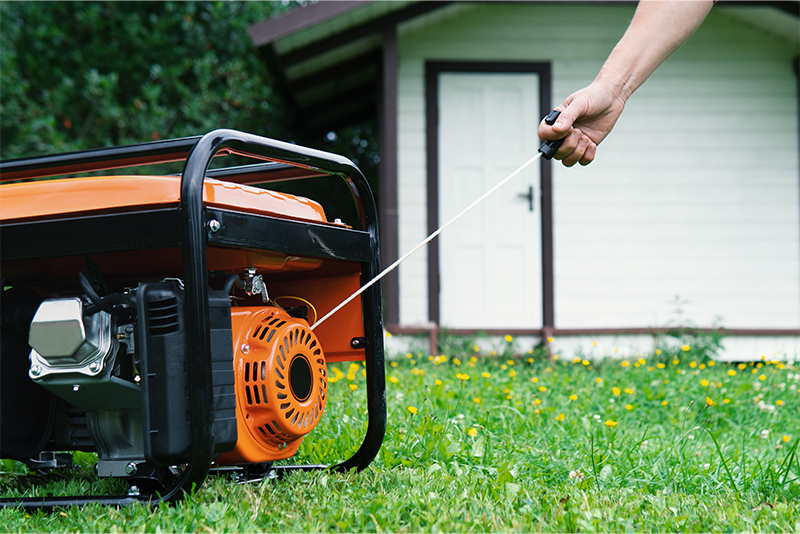
Power generators are a good short-term solution to a power outage or other emergency.
Knowing how to properly and safely use them is a great way to "be ready" for a future emergency.
More information
Videos
- The Be Ready Buzz: Batteries in Disaster Supply Kits
- The Be Ready Buzz: LED Keychain in Disaster Supply Kits
- The Be Ready Buzz: Headlamp Emergency Lighting
- The Be Ready Buzz: Candle Emergency Lighting
- 20 to Ready: Power Failure Prep
- 20 to Ready: Got Fuel?
- 20 to Ready: Emergency Power
- FEMA: Be Prepared For Power Outages
- Rocky Mountain Power: How to Reset Your Circuit Breakers
- NFPA: Dan Doofus A Shocking Revelation
- NFPA: Candle Safety Tips
- CDC: Carbon Monoxide Poisoning
Downloads
- Home hazard hunt
- FEMA: Be Prepared for a Power Outage
- Provo Fire and Rescue: Recommended Home Fuel Storage Limits
- NFPA: Candle Safety
- NFPA: 9-volt Battery Safety
- NFPA: Lithium Ion Battery Safety
- USDOT: Safe Travel with Electronic Devices and Batteries
- OSHA: Using Portable Generators Safely
- Rocky Mountain Power: Understanding Public Safety Power Shutoffs