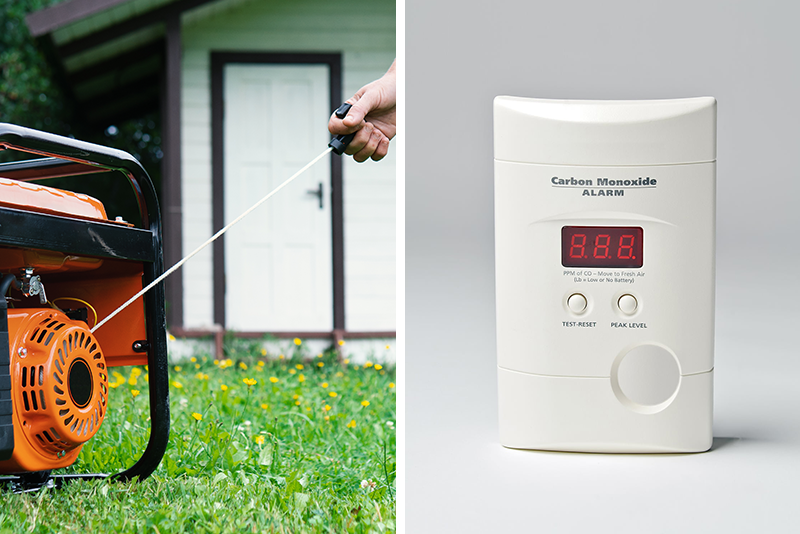
Generator use and safety
Why generators?
Depending on the emergency, it may be days, weeks, or longer before power is restored. When the power goes out, generators can help keep important things running, like refrigerators, or medical equipment.
As with any mechanical device, generators can be expensive. They also need regular maintenance to keep them running properly.
If you are thinking about adding a generator to your emergency supplies, here are some things to know about using a generator safely.
Generator basics
Generators are made for short outages of a few hours to maybe a couple of weeks. They give you time to adjust your plans, save data, and use up food. Do not rely on them long-term because they burn a lot of fuel and can break down.
Generators typically are powered by gasoline, propane, natural gas, or solar. There are different sizes that put out different amounts of power. Determine how much power you will need before purchasing a generator.
How long a generator will provide power depends on how much fuel you have, the size of your generator, the electrical load you put on it, and how well you care for it.
Follow all manufacture's directions for the proper use and care of your generator.
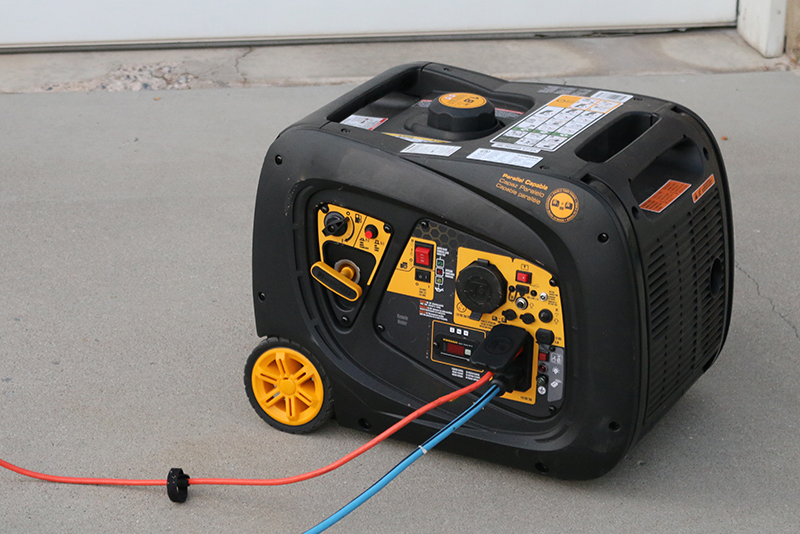
Fuel, oil, and power
Fuel storage: Store gasoline and propane in a shed or outbuilding, never inside your home or attached garage. Ask your local fire department how much fuel you can legally store.
Refueling: After the generator runs out of fuel, let it cool down for 20 minutes before adding more gasoline to prevent fires. Wipe up spills right away.
Long storage: If you store a gas generator for more than a few months, empty the gas tank or add a fuel stabilizer so the gas does not ruin the engine.
Engine oil: Have a supply of motor oil according to the manufacturer's directions.
Solar generators use solar panels to convert sunlight into electrical energy that is stored in batteries for later use. Keep the batteries out of direct sunlight to prevent them from overheating and catching fire. When not in use, many batteries for solar generators can be plugged directly into the normal power grid to maintain their power storage. Alway check the manufacturers directions.
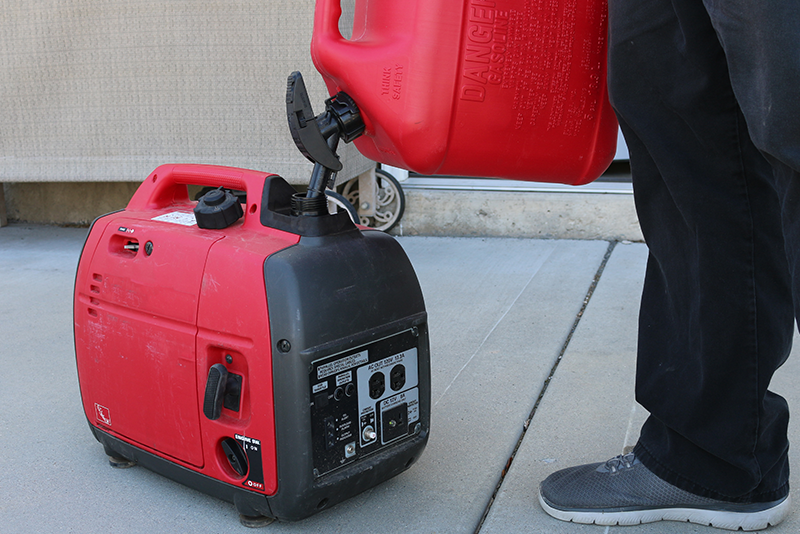
Generator wattage
Do not overload: Make sure your generator can handle the power load of the intended appliances. Many things like refrigerators and freezers have a power spike when they first start. Appliances can be damaged if they are run on insufficient power.
Determine your essential emergency power needs for items like medical equipment, refrigerators and freezers, and other vital electronics. Talk to a licensed electrician to determine what kind and size of generator is right for your needs.
Take turns: You can't power everything in your home like you did before the power went out. Rotate your devices and appliances that are getting powered. Run the fridge for a couple of hours, then switch the cord to the freezer. Keep appliance doors closed as much as possible to trap the cold air.
Turn it off: Turn the generator off when you are not using it to save fuel.
Generator safety guidelines
Electrical and fire safety
Avoid shock: Never use a generator in rain or wet conditions. Keep it on dry ground.
Fire sense: Remember that generators run hot. Keep generators away from combustible materials.
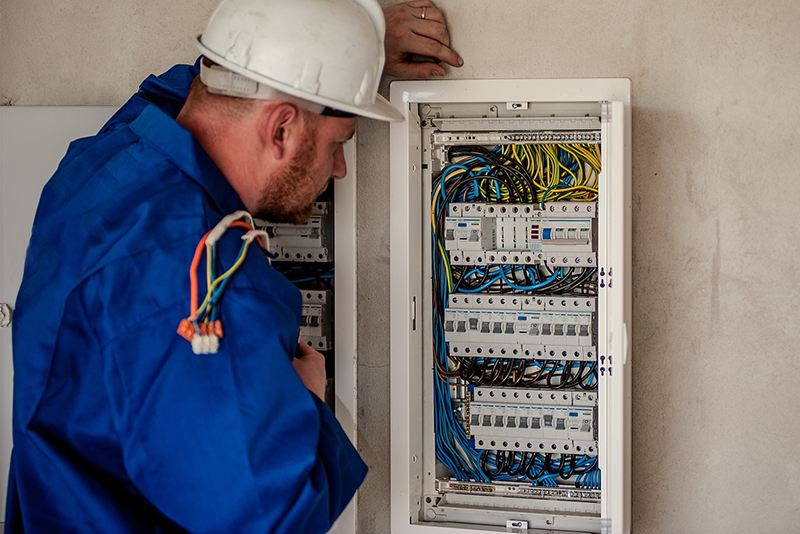
Do not "backfeed": NEVER plug a generator into a standard wall outlet or directly into your home's main circuit panel. This creates dangerous power "backfeed" that can shock or kill utility workers fixing the power lines.
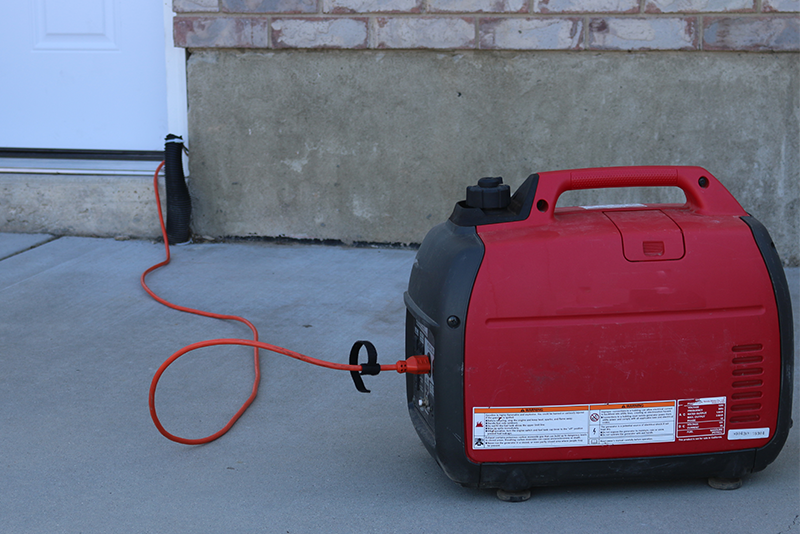
Use extension cords: Plug appliances straight into the generator. Only use a heavy gauge, grounded extension cord that can handle the load you are putting on it. Ground fault circuit interrupter (GFCI) cords are best. Check the cords for wear and tear and replace as necessary. Keep cords out of walkways so people do not trip.
Transfer switches: If you want a generator to power your home’s main wiring, a licensed electrician must install a special transfer switch.
Prevent carbon monoxide (CO) poisoning
Gasoline generators release carbon monoxide—a poisonous gas you cannot see or smell.
Stay outside: Only run generators outdoors, at least 20 feet away from doors, windows, and vents. Never run a generator indoors or even in a garage with an open door.
Give it space: Leave 3 to 4 feet of open space around all sides so the machine gets fresh air and does not overheat.
Use alarms: Keep working CO detectors on every level of your home and in sleeping areas. Test them monthly and change batteries twice a year.