Power outage preparedness
Be Ready Utah
Why prepare for power outages?
Power outages are one of the most common emergencies. Bad weather, extreme hot or cold temperatures, and accidents can all knock out power. While an outage might just be annoying for a few hours, it can quickly become dangerous if it lasts a long time or if you rely on electronic medical equipment. Have essential power and other supplies on hand to last a few days or even longer.
Here are some tips for what you can do before, during, and after a power outage to be safe.
Before power outage
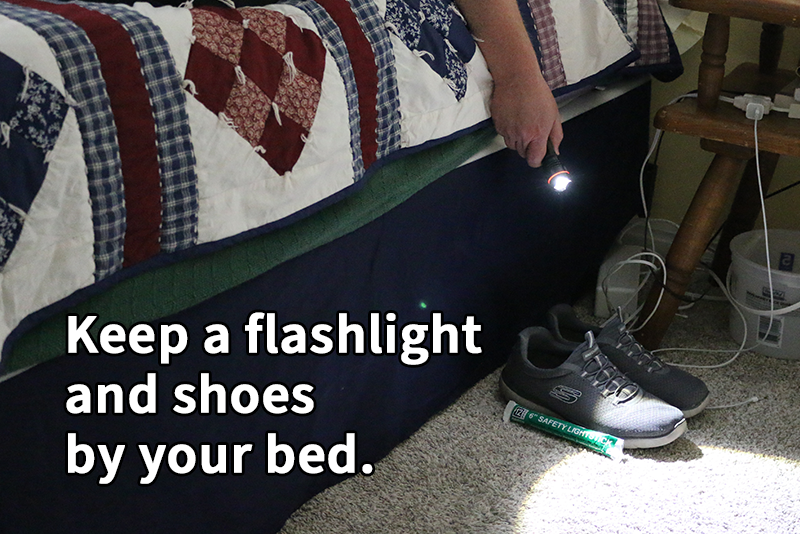
- Keep lights nearby: Put a working flashlight and extra batteries right next to your bed.
- Keep lights in strategic locations: Other easy-to-reach places like the kitchen, the garage, and the hallway should have flashlights as well. These are emergency flashlights only, not to be played with or taken for other projects.
- Emergency phone numbers: Add electrical power and natural gas company phone numbers in your phone and printed in emergency contact lists.
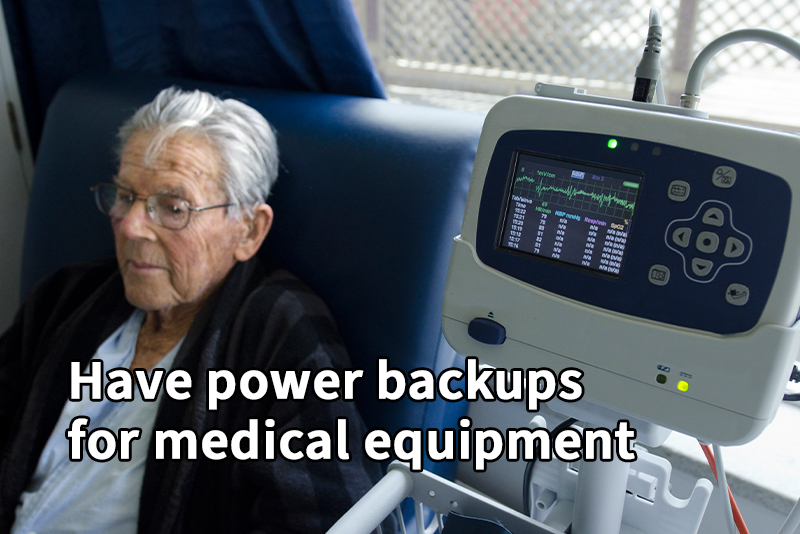
- Have a medical plan: If someone in your house relies on medical equipment, have a backup generator or a clear plan to go somewhere safe.
- Candle safety: Candles and oil lamps are serious fire hazards. Only use them if you have no other choice. Never leave them unattended.
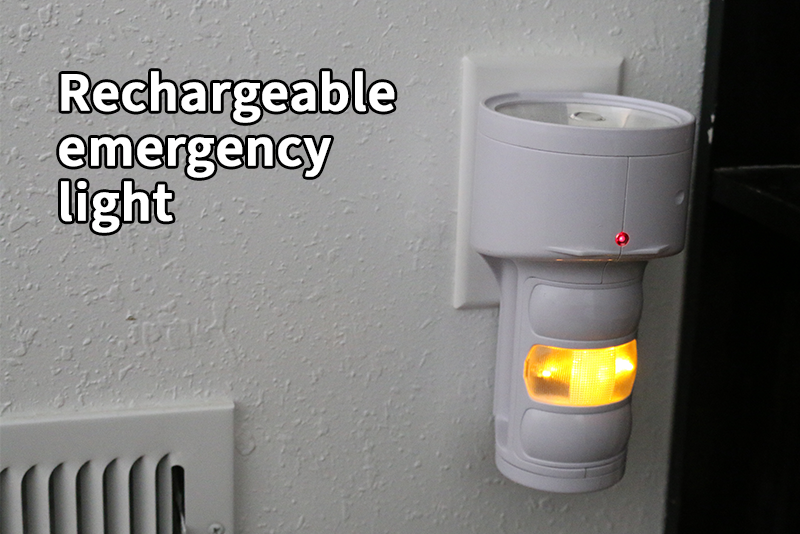
- Battery care: Change flashlight batteries every six months to prevent corrosion. You can also use plug-in rechargeable nightlights that turn on automatically when the power goes out.
- Learn main shut-offs: Know how and where to turn off the main switches for electricity, water, and gas.
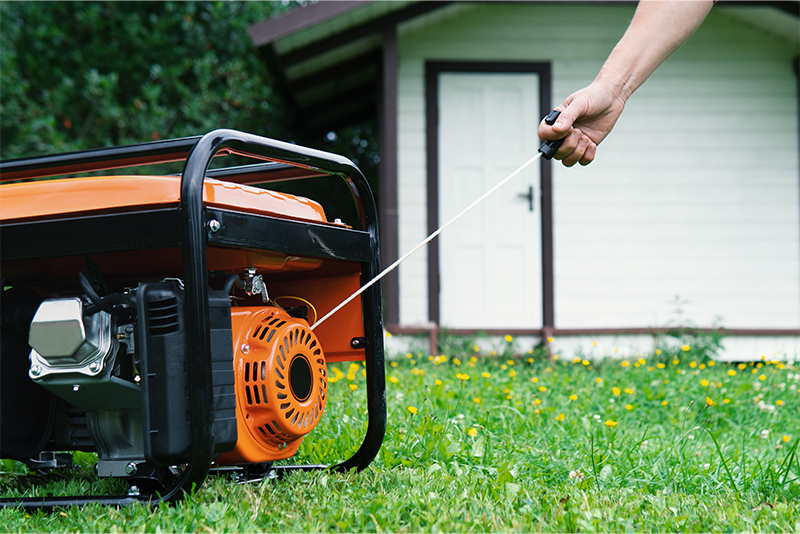
- Generator safety: If you choose to have an electric generator as part of your emergency power plan, know how to use it safely. Never run a fuel-powered generator indoors, in a garage, or near open doors and windows.
During power outage
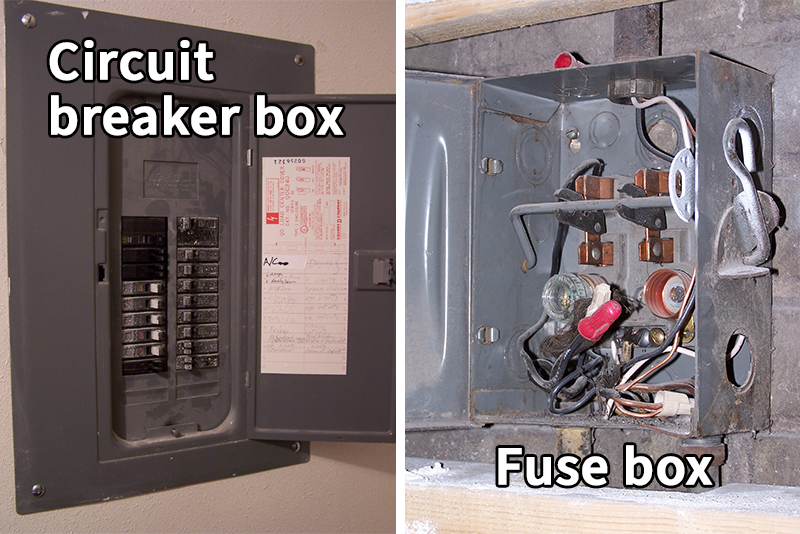
- Check the breakers: If the power is out, grab a flashlight and look at your main breaker box to see if a circuit switch flipped or a fuse blew. Flip the switch back or change the fuse. If this is a reoccuring problem, call an electrician. Your home needs some electrical work.
- Check the neighbors: If it's not your home's circuits or fuses, look outside. If your neighbors' lights are out too, call your power company to report the outage.
- Save phone battery: Keep your phone charged and keep portable power banks ready. Send text messages instead of making phone calls to save battery life and keep phone lines clear for emergencies.
- Unplug devices: Turn off or unplug appliances, computers, and TVs. When the power comes back on, a sudden surge of electricity can ruin them. Leave just one light switch turned on so you know when the power returns.
- Keep fridges closed: Do not open refrigerator or freezer doors unless you have to. A unopened fridge can keep food safe for about three hours and a freezer for about three days.
After power outage
- Turn things on slowly: Turn your electronics and breaker switches back on one at a time.
- Watch for problems: If your lights flicker, look dim, or look extra bright, turn off the breakers again and call the power company.
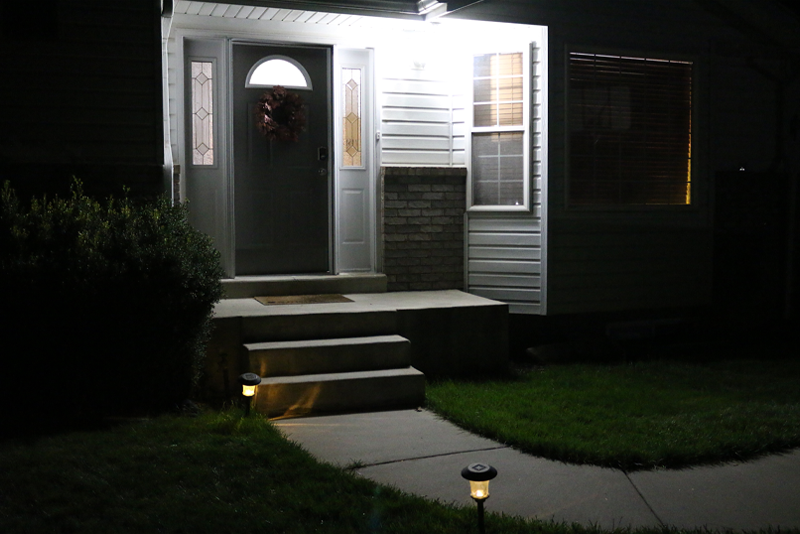
- Turn on the porch light: This lets repair crews driving by know that your power is working again.
Downed power line safety
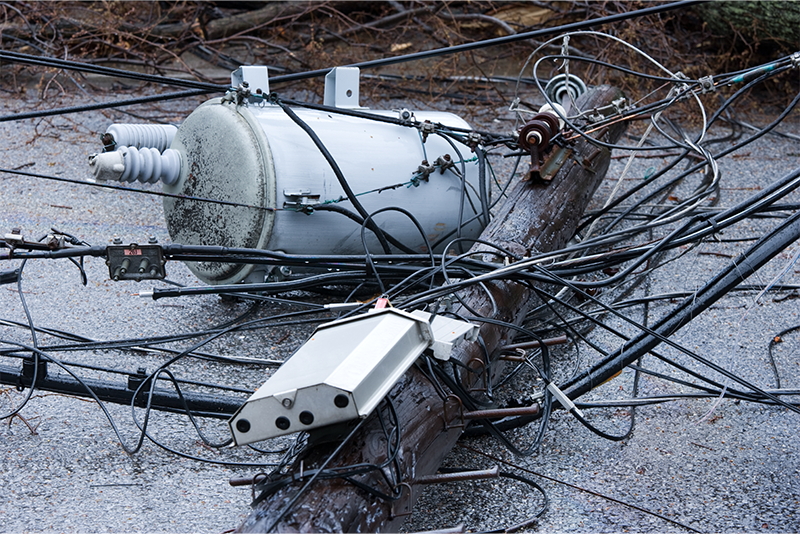
- Stay far away: Always assume any fallen power line is live and dangerous, even if it isn't sparking or buzzing. Touching a wire, fence, or water puddle near the line can shock or kill you. Stay safe and stay away.
- Call for help: Keep people and pets away, and call 911 or your power company immediately. Never touch a person who is touching a wire.
- Car safety: Don’t drive over downed power lines.
If a power line falls on your car, stay inside until emergency workers tell you it is safe. If the car catches fire and you must get out, jump completely clear without touching the car and the ground at the same time. Land with both feet together, and hop away with both feet together until you are at least 30 feet away.