Food and nutrition
Why is food and nutrition important?
Throughout history, people who were starving have been forced to eat some shocking things. During wars, bad droughts, and major disasters, people were so hungry they ate tree bark, leather shoes, dirt, and even family pets.
Your body can only go about three or four weeks without food. Having a basic stash of extra food at home keeps your body healthy and energized during a crisis. Store foods your family already likes to eat. Eat from your stash regularly and replace what you use so nothing goes bad or gets wasted. Make sure your stored food provides a healthy, well-rounded diet.
Collecting food and supplies today protects your family from hunger and gives you peace of mind knowing you are ready for any emergency.
For more details, check out Utah State University Extension's Guide to Food Storage for Emergencies.
Food and nutrition action list
- Learn about nutrition.
- Make a list of the foods that your family eats for a month.
- Store a one month food supply in your home for your family.
- Learn how to safely store food.
- Add food supplies to disaster supply kits.
- BONUS: Work towards a three month food supply.
- BONUS: Learn how to preserve food to add to your food storage.
Nutrition
Food gives your body what it needs to stay healthy, including proteins, healthy fats, vitamins, minerals, and fiber. Eating well is especially important during emergencies like natural disasters. When medical help is hard to find, a healthy body helps protect you from getting sick or injured.
The U.S. Department of Agriculture's (USDA) Dietary Guidelines for Americans is a great resource to help you plan your emergency food supply. Here are the key rules to follow when building a food storage plan for your family:
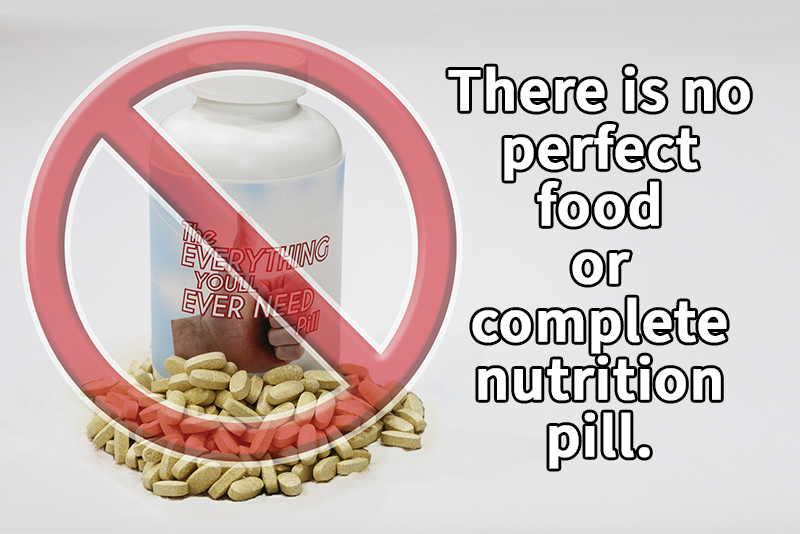
Watch out for allergies: Never store foods that your family members are allergic or sensitive to. Expecting someone to "eat it if they get hungry enough" does not work for severe food allergies or medical conditions. Don’t buy or store foods they are allergic to. They won’t be able to eat those foods, even if that is all that is left.
Plan for special diets: Babies, young children, older adults, and nursing mothers often need softer or milder foods that are easy to digest.
Don't forget your pets: Pets have a hard time switching to new foods suddenly. Store plenty of their regular food, and learn what other foods are safe (or dangerous) for them to eat.
Eat what you store and store what you eat
What foods do you and your family eat in a month?
Eat what you store
Eating the food you have stored helps you use it up before it spoils, which keeps you from wasting it. Some people get discouraged by food storage because they think it’s only for emergencies and a waste of money. However, food storage works best when you use, replace, and care for it as part of your normal, everyday meals.
Eating these foods regularly also helps your body get used to them. That way, you won't get an upset stomach if you ever have to live on stored food when fresh food isn't available.
Buying food in bulk or on sale saves you money. If you wait until you completely run out, food might be hard to find or much more expensive, especially during a crisis.
Practice using your food storage supplies now while life is calm. Learning through trial and error is much easier and less stressful before a real emergency happens.
Now is also a great time to try new recipes using your stored ingredients. Figure out what meals your family actually likes. If you find a new favorite, add it to your normal meal routine. You can also start collecting new ingredieents, spices, and seasonings to make basic ingredients taste better. Make trying new foods a fun family activity where everyone can share their honest opinions. If your family dislikes a certain recipe, cross it off your list and don't include it in your food storage.
Store what you eat
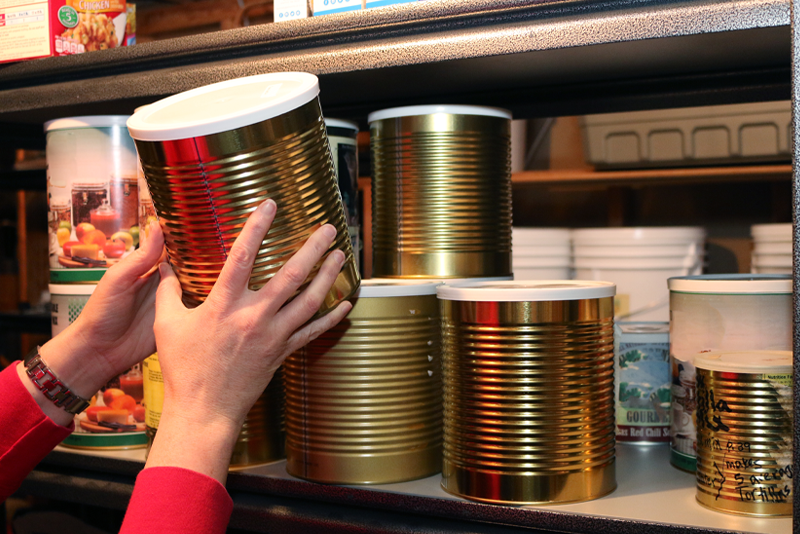
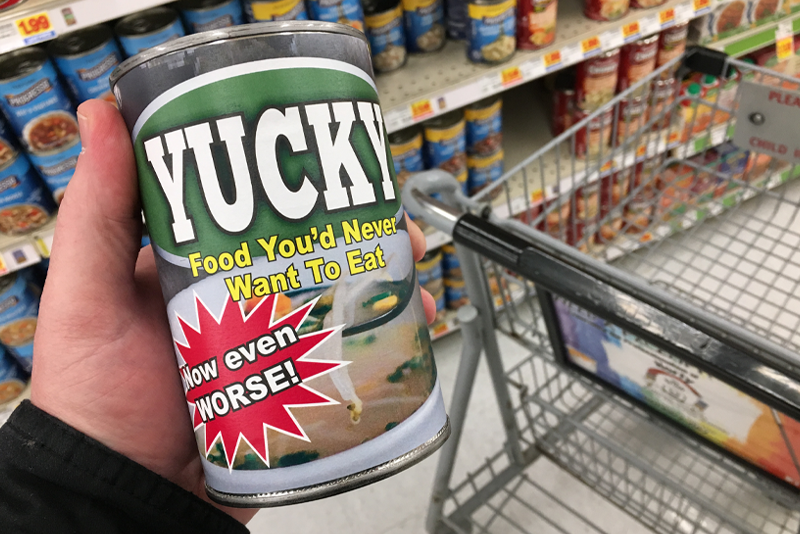
Storing only what you eat saves precious space and money. Don't buy food just because it's on sale. If nobody in your house likes canned beets, don't buy them! They will just sit on the shelf until they go bad. In a hard situation, you shouldn't force your family to eat meals they hate.
How much food do you need?
At a minimum, try to keep a one-month supply of food at home so you don't have to run to the store. You should eat from this food regularly. When your pantry drops down to that one-month limit, you know it's time to go shopping.
If you want to build a bigger food supply, aim for a three-month supply first. Don't spend all your money on a full year of just one item, like rice. Instead, build your supply slowly, buying a mix of different foods so you get all the nutrition you need.
Having six months to a year of food stored is a great long-term goal, but do not go into debt to buy it. You don't want to create a financial problem while trying to prepare for an emergency. Set goals, stick to a budget, and store what you have room for.
Food storage basics
Having a food storage supply helps make sure your family has enough to eat during an emergency. This list covers the basics you need to stay healthy and make simple meals.
Everyone’s family is different. Use this list as a starting guide, and change it to fit what your family likes to eat. It is always a good idea to talk to a doctor or dietitian before spending a lot of money on special foods.
Key rule for health: Variety is the key to good nutrition! Try to collect different types of grains, beans, fruits, vegetables, and proteins.
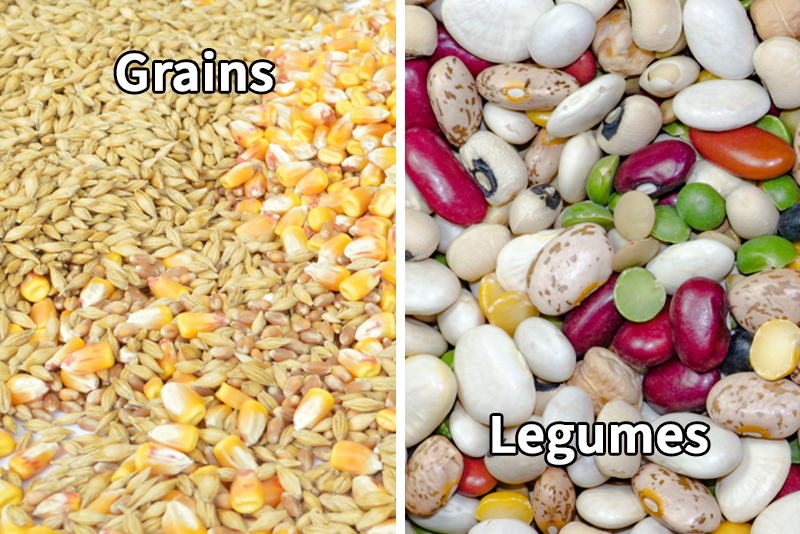
- Grains: Wheat is the most common grain for food storage because it is used to make bread. You can also store rice, barley, corn, oats, and popcorn. Tapioca comes from a root instead of a grain, but it is easy on sensitive stomachs.
- Legumes: These include beans, split peas, lentils, and peanuts. Eating grains and legumes together in a meal creates a complete protein. This gives your body what it needs to build and repair muscles, which is extra important if you are not eating meat protein.
- Fats and oils: Oils give you energy and help your body absorb vitamins. Though they have a short shelf-life, store cooking oils like olive, canola, or vegetable oil. Solid fats like shortening last longer on the shelf than liquid oils. Use these in small amounts and plan on rotating often.
- Milk: Milk adds protein and vitamins to your meals. Powdered milk can last 3 to 5 years in an airtight can. Canned or boxed "shelf milk" (UHT milk) can sit, unopened, in your pantry for about a year without going bad. Whey milk powder is a by-product of cheese and is a popular source of quality protein. It can last 10 to 15 years in an airtight can.
- Sugars: White sugar, brown sugar, honey, and syrup add flavor and help bread and baked goods rise.
- Salt: is essential to health, is a necessary ingredient in recipes, and can be used as a food preservative. Iodized salt has potassium iodide added as a dietary supplement.
- Baking leavenings: Ingredients like yeast, baking soda, and baking powder are needed to make bread, biscuits, and cookies.
- Spices and seasonings: Spices keep your food from tasting boring during stressful times. Some basic spices include pepper, garlic powder, cinnamon, vanilla, oregano, and hot sauce, but there are many others. Experiment and find flavors you like.
- Bouillon: Soup cubes or powders make plain rice taste great and add flavor to meats and veggies. They can also be mixed with warm water to make a simple soup for someone with a sick stomach.
- Vitamins: A daily multivitamin helps fill in any missing nutrients in your diet to keep your body strong.
Extra items to expand your meals
Once you have the basics, you can add these items if you have extra money and storage space:
- Eggs: Powdered whole eggs can be mixed with water and used in recipes just like fresh eggs. They have a 10 to 15 year shelf-life in an unopend can.
- Fruits and vegetables: Canned or dried fruits and veggies last for years. You can drop them into soup or oatmeal for extra flavor and fiber.
- Pasta: Noodles are easy to cook, last a long time, and feed a lot of people.
- Meats: Meats must be canned, dried, or frozen so they don't spoil. Canned tuna and freeze-dried beef or chicken are great options.
- T.V.P. (Textured Vegetable Protein): A meat substitute made from soybeans. It costs less than real meat, lasts for years, and comes in different flavors.
- Pre-mixes and powders: These can make quick and easy meals, just remember to use and replace them within a year so they don't spoil.
Some ideas may include:- Cheese powder, butter or margarine powder
- Cake, bread, pancake, muffin, cookie, etc. mixes
- Instant gelatin and pudding mixes
- Instant fruit drink, electrolyte drink, cocoa, coffee, etc. mixes
- Soup base, gravy mixes, potato flakes, marinades
- Other items: These things boost your mood. Buy a little bit at a time so everything doesn't expire all at once. Some ideas may include:
- Condiments (like ketchup and mustard)
- Nuts, candies, seeds
- Snack items and comfort foods
How to safely store food
Properly storing food helps it last a long time and stay safe to eat. To get the most out of your food storage, keep it in a spot that is cool, dark, and dry (ideally between 40°F and 70°F).
Expiration dates on store-bought food are usually just about peak taste, not safety. Food in undamaged cans is often safe to eat long past the "best by" date, though it might lose some nutrients. However, never eat food from cans or bags that are bulging, leaking, rusted, or smell bad. When in doubt, throw it out!
Do not get discouraged if you are unable to create ideal storage conditions for your food storage plan. Do the best you can with what you have now and make a goal to upgrade as time, budget, space, and circumstance allow. Something is always better than nothing.
Here are the main things that ruin stored food and how to stop them:
Oxygen: Breaks down nutrients in food causing it to go rancid or even spoil. If there are insect eggs or larvae in your dried foods (which is more common than you'd like to think) oxygen allows them to live and grow while feasting on your food stores.
- The fix: Purchase dry food in pre-sealed, air-tight cans and buckets.
If you purchased dry bagged food, empty it into clean, food grade buckets with air tight lids. Line the buckets with food grade foil lined plastic bags, or "Mylar" for even better protection.
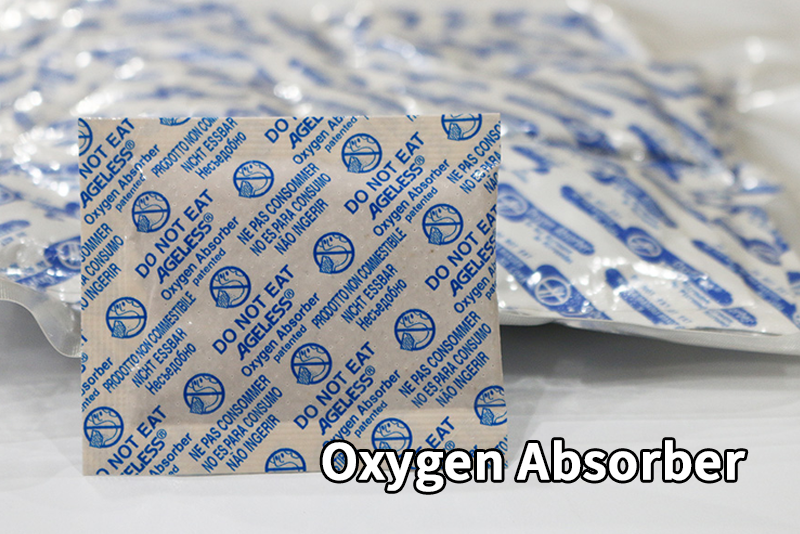
Add oxygen absorber packets before sealing. One 300cc packet is sufficient for removing the oxygen from a one gallon container. Utah State University Extension has more information on oxygen absorbers and how to use them.
Moisture: Makes sugar and salt clump together. It can seep into bags and rust cans. More importantly, moisture causes mold and and dangerous bacteria to grow.
If any bagged food gets wet or has an off smell – throw it out.
If any canned food is bulging, leaking, smelling bad, squirts fluid when opened, was frozen, has a milky appearance in the liquid, has rust or other corrosion on the inside of the can or on the seam – throw it out.
- The fix: Only store foods that have 10% moisture content or less.
Store whole kernels of grains. Each whole grain kernel is like it's own little storage container protecting the inner parts from spoiling. Whole grains are known to hold their nutritional value for decades or longer.
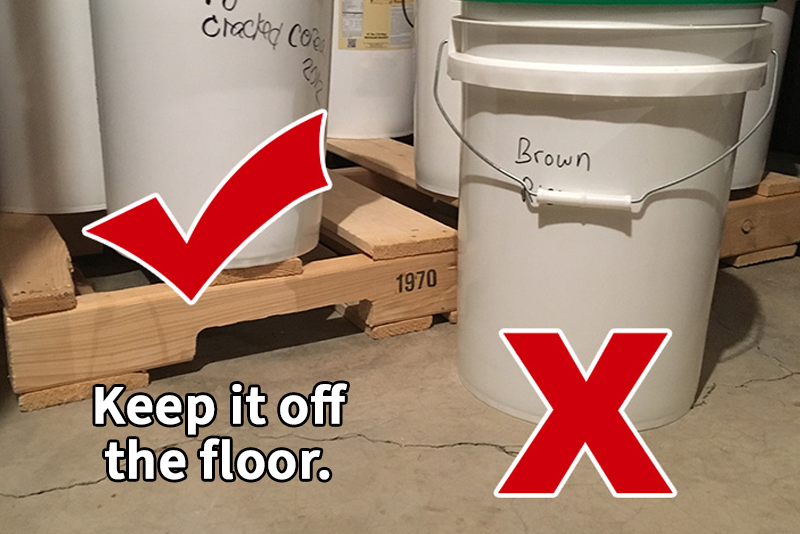
Keep containers off concrete floors using shelves or wooden pallets so moisture doesn't build up underneath.
Light: Sunlight and artificial light destroy nutrition and vitamins in your food over time.
- The fix: Keep food in dark rooms, like a basement. Cover windows with aluminum foil.
Use solid-colored buckets or light-blocking foil bags to keep light out.
Don’t store your dry food in garbage bags, they are often treated with pesticides.
Heat: Warm room temperatures make food spoil much faster. For every 18° F increase in temperature above ideal (40° to 70° F), you lose half of your food’s shelf-life.
- The fix: Store food indoors where temperatures don't change very much rather than in garages or attics.
Since heat rises, keep food storage in a basement if you have one. Store items that spoil faster (like oils or dairy) on lower shelves near the floor.
Cover windows in storage rooms with aluminum foil. Cover heating vents.
Put a thermometer and humidity gauge in your storage room to monitor your storage conditions.
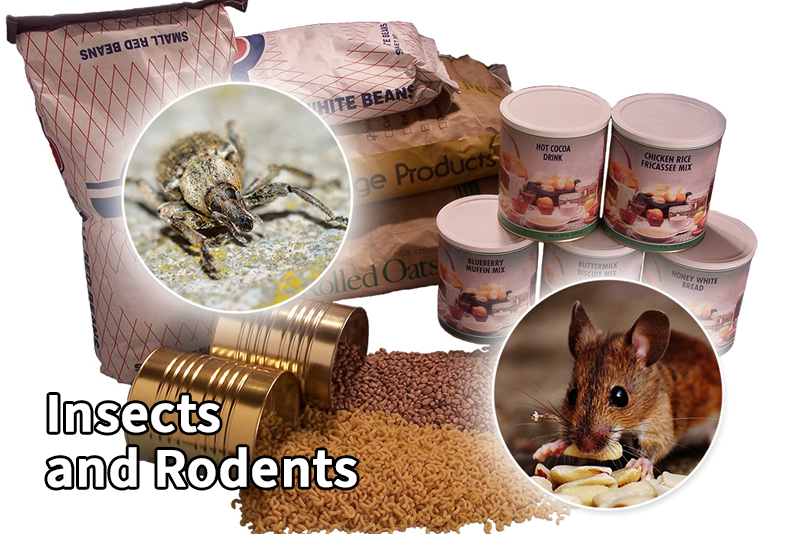
Pests: Insects and rodents lay eggs, deposit toxic waste, and eat your food.
- The fix: Store food in hard plastic or metal containers that pests can't chew through.
Removing oxygen also smothers bugs. Use air-tight containers and oxygen absorbers.
If you find bugs in food storage, throw it in the outside trash right away so they don't spread.
Traps and poisons should be used with CAUTION. Be sure not to mix poison directly with food.
Use a professional exterminator to kill pests before they enter your home and food storage area.
Organize your food storage
Here are some helpful hints and tips to make organizing and keeping track of your food storage easier. Develope a system that works for you and your household.
Use oldest food first
- Follow the "first in, first out" rule. Always use your oldest food before opening newer items.
- Make rotation easy. Set up a simple system where you automatically pull from the front and stock new items in the back.
Group and label everything
- Keep similar foods together. Put all soups on one shelf, canned meats on another, and sauces together so items are easy to find.
- Put clear labels on your shelves. You can stick business card magnets on metal shelves so you can move the labels around whenever you change things up.
Save shelf space
- Remove empty space. Adjust your shelves so there isn't wasted space above your food.
- Stack smaller items by putting small snacks or boxes inside stackable plastic bins. Label the bins so you know what is inside without digging through them.
Mark expiration dates clearly
- Write the "use by" expiration date in large numbers on the top or front of cans and boxes.
- Don't use the buy date: Food can sit in the grocery store for months before you buy it, so always use the printed expiration date on the can, box, or bag instead of the day you bought it.
Track your storage
- Make a food map. If you store food in multiple places or on many shelves, draw a simple map or make a master list that shows where everything lives.
- Keep a restocking list. Hang a notepad near your shelves. Whenever you grab an item—like a box of mac and cheese—write it down immediately so you know what to buy next time you shop.
Something is always better than nothing
Don't get discouraged if your space, budget, time, or other circumstances do not allow you to have ideal storage conditions, amounts, or even the suggested kinds of food.
Don't go into debt. Do the best you can with what you have and what you can do.
You may need to rotate items in your storage more often, but something is always better than nothing.
Don't give-up. Be determined to work toward the goal of ideal as best as you can.
Smart ways to store food
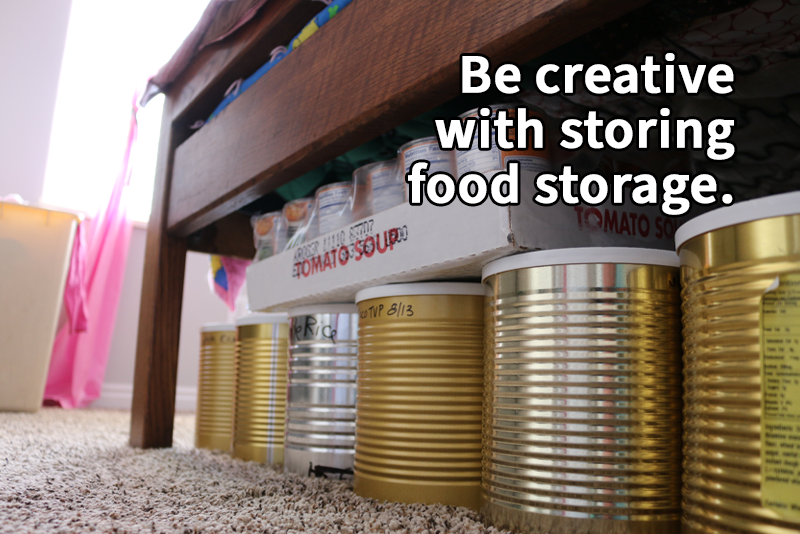
- Find hidden spaces: If you live in a small apartment or do not have a basement, you can hide food under beds or furniture.
Add shelves to empty areas in closets and other small spaces. You may have more room than you think. - Keep it dark: Do the best you can to keep it away from bright sunlight.
- Keep it cool: Place food in the coolest parts of your home, such as the lowest shelves near the floor.
How to build your supply on a budget
- Buy extra gradually: Add just a few extra items to your cart every time you go grocery shopping.
- Shop sales and bulk: Buy items when they are on sale or in bulk to save money, but only buy foods your family actually eats.
- Watch expiration dates: Don’t buy more than you and your family can use before expiration.
- Focus on the basics: Buy essential, healthy foods first before spending money on snacks, desserts, or treats.
- Save money: Spend less money on ready-made and fast food, then put those savings toward long-lasting groceries. You can also ask for emergency supplies as birthday or holiday gifts.
Check the quality before you buy
- Check expiration dates: Do not buy food for long-term storage if it is about to expire soon.
- Inspect the package: Never buy damaged boxes or dented cans. The food inside might be unsafe to eat. Just because it’s cheap doesn’t mean it’s a good buy.
Remember: Do the best you can. Less than ideal food storage is better than no food storage.
Disaster supply kit: Food and nutrition
Disaster supply kits need to be unique for each individual according to your own needs, abilities, and wants. "Be ready" with the right food and nutrition items in your emergency kits.
More information
Videos
- It's NOT Toxic! Canned Food Best By Dates
- Eggs Food Storage
- The Be Ready Buzz: Food in Disaster Supply Kits
- The Be Ready Buzz: Eat What You Store
- The Be Ready Buzz: Try New Food Storage Recipes
- The Be Ready Buzz: Store What You Eat
- PrepCast: Nutrition and Long-Term Food Storage
- PrepCast: Eat What You Store, Store What You Eat
- 20 to Ready: Emergency Food Storage
- 20 to Ready: Long Term Food Storage
Links
- USU Ext: Food Storage in the Home
- USU Ext: Food Storage
- USU Ext: Preserve the Harvest
- USU Ext: Avoid Food Waste and Save Money
- USU Ext: What to Do When the Freezer Goes Out
- USU Ext: Take Stock before Restocking Food Storage
- USU Ext: Make A Healthy Lifestyle
- USU Ext: Ingredient Substitutions for Cooking & Baking
- USDA: Keeping Food Safe During an Emergency
- USDA: Food Product Dating
- CDC: Keep Food Safe After a Disaster or Emergency
- FoodSafety.gov: Food Safety in a Disaster or Emergency