First aid and well-being
Why are first aid and well-being important?
Information on this webpage is a very basic overview of first aid. The information does not teach how to treat any injuries or medical incidents.
During a disaster, doctors and hospitals might be too busy to help right away. That is why learning basic first aid and keeping medical supplies at home is so important. In addition to first aid, staying physically and mentally healthy helps you handle the stress of a disaster. It puts you in a better position to be able to help others.
Accidents happen every day, not just during big disasters. Having the right training means you can step up and save a life—maybe even your own. In an emergency, knowing what to do gives you the confidence to help. Remember that YOU are the help until professional help arrives.
First aid and well-being action list
- Determine you and your family's health and medical needs.
- Prepare first aid supplies and information.
- Get trained in first aid, CPR, and AED.
- Know what to do in a first aid emergency.
- Add first aid supplies to disaster supply kits.
- BONUS: Take a Community Emergency Response Team (CERT) course and become actively involved.
Family health
Whether it is a survival situation or everyday living, prevention is the best medicine.
- Take care of mind and body: Physical and mental health are two areas that are often overlooked in individual and family emergency preparedness. Make time for regular medical checkups for everyone in your household. Medical experts can refer you to dietitians and fitness resources.
- Eat healthy food
- Exercise to stay strong
- Drink plenty of water
- Keep your body clean
- Reduce stress
- Get plenty of sleep

When you stay clean and keep your body strong, you are much less likely to get sick or have an accident!
- Medications: If you or a family member have prescriptions, speak to your doctor or pharmacist about having an extra emergency supply. Know how to safely store prescriptions, especially in a power outage.
- Add to emergency plans: Make alterations to help anyone in your household who may have access and functional needs. This could include physical or mobility issues, mental or emotional issues, vision, hearing, or verbal impairments, allergies or food restrictions, disease or medical issues.
- Fix home hazards: Look around your house for things that could cause an accident and fix them.
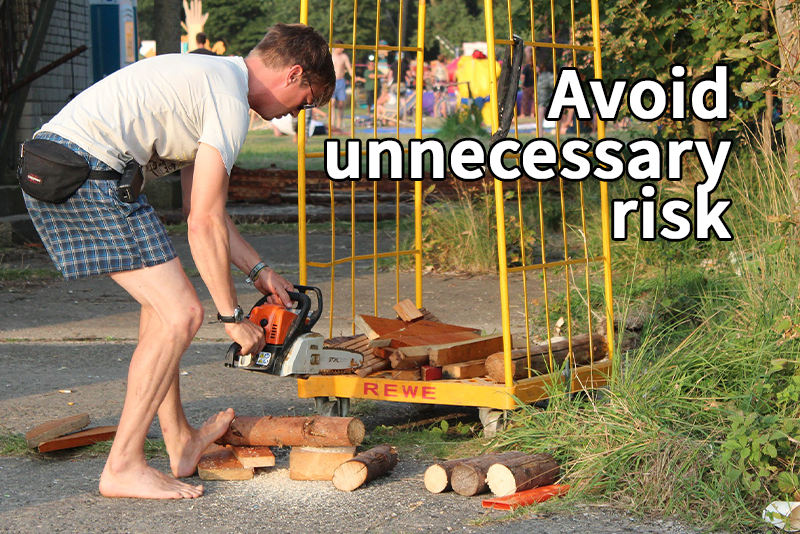
- Avoid unnecessary risks: Think before you act, know what you can safely handle, and pick the safest option. Be aware of your surroundings.
First aid supplies and information
Here are some simple things you can do today to get ready for a first aid situation.
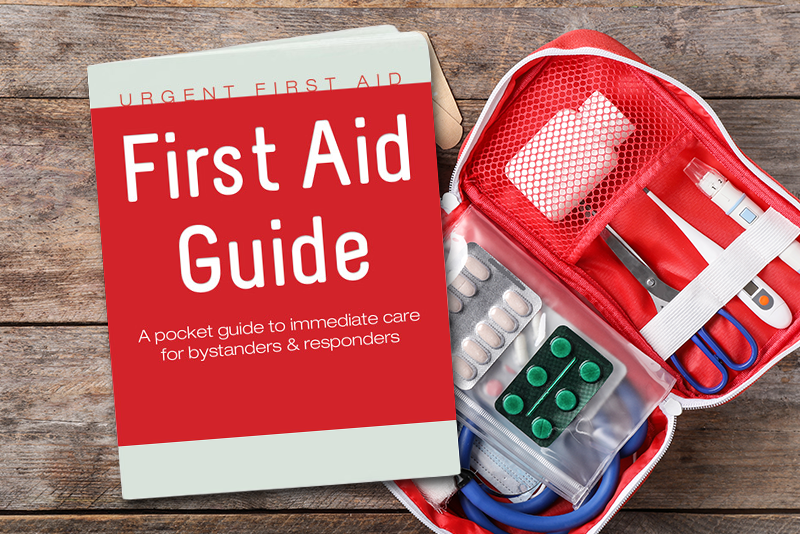
Get first aid kits ready
- Place first aid kits at home, in your car, at work, and anywhere else you spend time.
- Make sure kits are easy to see, easy to reach, and clearly labeled.
- Keep kits fully filled, replace old supplies, and include a guide with basic instructions.
- Make sure everyone knows where the kits are kept and how to use the items inside.

Save important phone numbers and information
- Save emergency and non-emergency numbers for ambulance, fire rescue, police, doctors, medical specialists, and veterinarians in your cell phone.
- Post emergency phone numbers and your home address right next to home landline phones.
- Keep written copies of emergency contact information in your wallet, purse, car, work area, and emergency kits.
- Keep a list of prescription medicines used by members of your houshold, directions, cautions, and how often they need to be refilled. Put this information with your other emergency documents.
- Keep a list of medical devices used by members of your houshold. Include instructions, make, model numbers, and any settings. Put this information with your other emergency documents.
Make your address visible
- Ensure your house or building number is easy to read from the street, both day and night, so emergency responders can find you fast.

First aid training
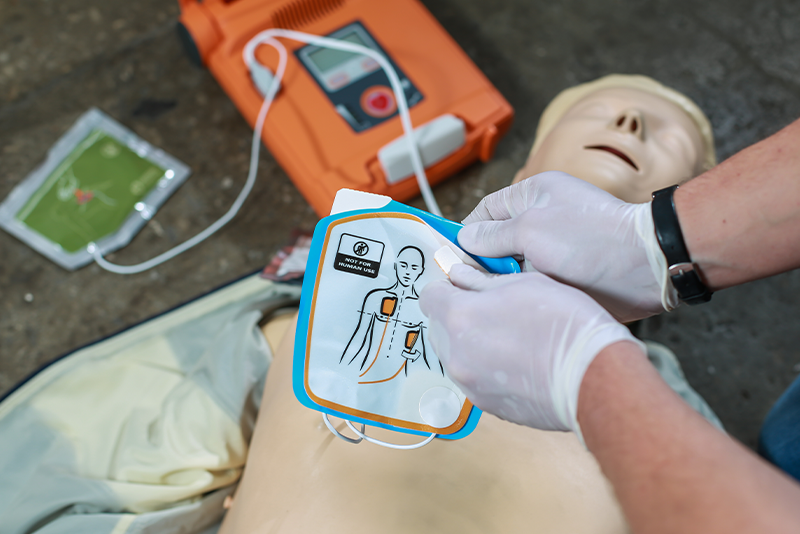
More important even than having first aid kits and supplies is to know what to do in a first aid situation. It is best to have training through the Red Cross or other qualified first aid instructors. These courses provide hands-on training that will teach you how to save lives through basic first aid. Once certified, you will need to repeat the class periodically to stay current with the most up-to-date ways of saving lives.
How can you tell when there is an emergency situation?
You can spot an emergency by being aware of your surroundings and using all five senses. Being aware helps keep you safe and lets you know when someone else needs help. If something feels out of place or dangerous, trust your instincts and check the scene.
Look
- In the area: Watch for broken glass, fallen ladders, strange puddles, or a car off the road.
- At people: Look for unusual behaviors like someone lying on the ground, slurred speach, a person holding their throat or chest, or acting confused.
- Train your brain: Think outside your normalcy bias as you look around everyday.
Listen
- Strange noises: Listen for screams, crying, moaning, or sudden loud noises like a crash or a heavy thud.
- Signals for help: Three quick blasts on a whistle, three loud bangs on a pipe, or three gunshots in the woods are common distress signals.
- Sudden silence: A space that suddenly gets completely quiet can also mean something is wrong.
- Ask questions: If someone looks hurt or upset, ask witnesses or ask them directly: "Are you okay?" or "What happened?"
Smell
- Watch out for sudden or unusual smells like smoke, gas, burnt odors, or harsh chemical fumes from the area around you or from the victim.
Trust Your Feelings
- If a situation just feels wrong or unsafe, do not ignore that gut feeling. Proceed with caution and stay alert.
What to do in first aid emergencies: Check, Call, Care
Once you know you have a first aid situation, you need to act. Seconds could matter.
In an emergency situation with injured victims, who is the first person you should be concerned about?
YOU! Think about your own safety before doing anything. If you get injured, you can't help anyone and you make the situation worse.
Start by putting on your personal protective equipment (PPE) from your first aid kit like non-latex gloves, and an N-95 mask.
Check the environment
- Look around for dangers that may or may not be related to the emergency you see like fire, traffic, toxic gas, gas leaks, power lines, or dangerous animals.
- Look above you, below you, and all around you. Can you fall or can anything fall on you? Is there more than one victim?
- Try to better understand what happened and what kind of help any possible victims may need.
- Know your limits. Use your best judgement, but don't take too much time. Lives could be on the line.
- If the scene is too dangerous, do not enter. Call 911 right away.
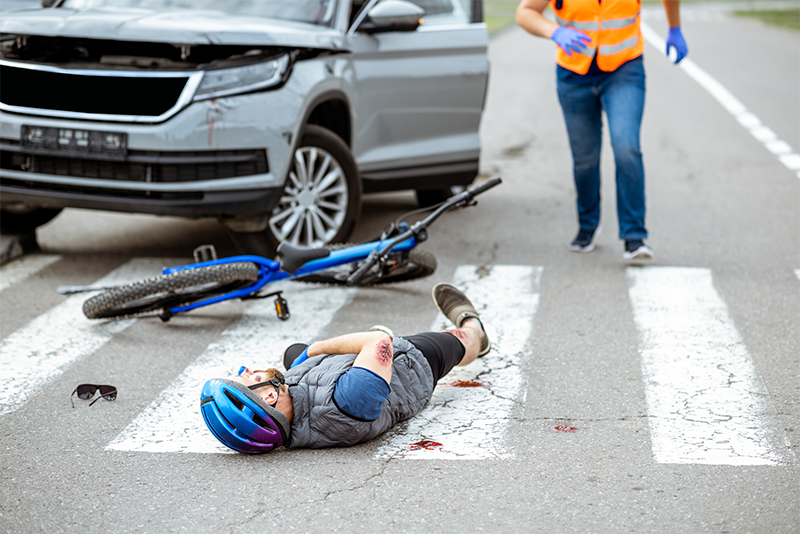
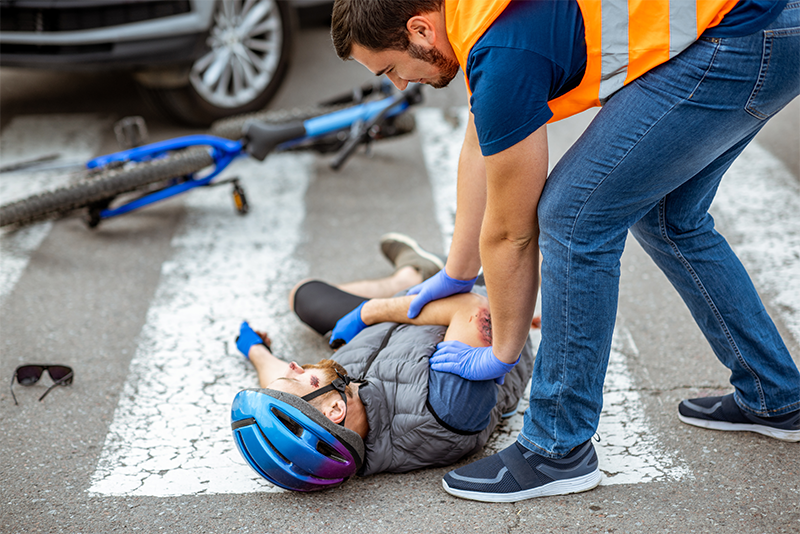
Check the victim
- Quickly check the person for injuries and to see if they need life-saving help. This is a quick assessment. It should take no more than ten seconds.
- If they are awake: Ask for their permission to help before touching them. Ask what happened and where it hurts.
- If they are not awake: Tap their shoulder firmly and shout, "Are you OK?" If they don't answer, assume they want your help.
- Check for big problems: If the person has severe bleeding, is not breathing, is unconscious, or has other life-threatening issues, call 911 or ask a bystander to call 911 immediately.
- If you suspect a head, neck, or back injury, do not move them.
- Look for bleeding, bruising, swelling, cuts, broken bones, or anything that looks abnormal. If something hurts, make a note of it and stop your check of that area.
- If no life threatening issues were found, you can help them to a comfortable rest position. Continue to watch them and keep them comfortable.
- If there are only minor injuries, then with the victims consent, treat them.
Call 911
A call to 911 can be the most important thing you do. Get medical responders on the way as fast as possible. Have someone else call if a witness or bystander is available so you can focus on the victim.
When talking to the 911 operator:
- Give the location first: This is the most important detail so help knows where to go even if the call drops. Give the address including street and city. If you don't know the address, give directions and landmarks. If you are in a large building, share where to enter and where the victim is inside.
- Tell them what happened: Describe the emergency, what happened, how many people are hurt, and what help you have given.
- Give your phone number: So they can call back if disconnected.
- Stay on the line: Never hang up until the operator tells you to.
Only call 911 for true life-threatening emergencies, fires, or a crime in progress. For everything else, use the non-emergency phone numbers.
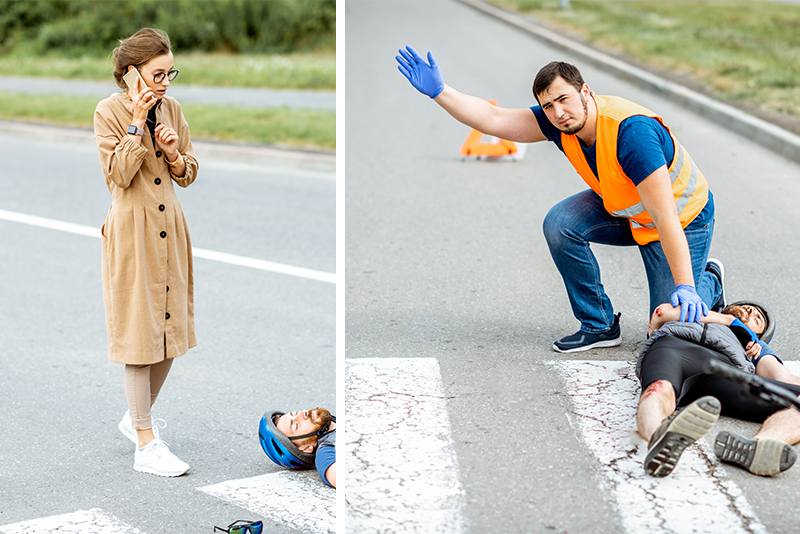

Care for the victim
Give first aid after help is on the way.
- Do no harm: Only treat injuries you have been trained to handle.
- Do not move the person: Unless they are in immediate danger (like a burning building).
- Keep them stable: Help them stay comfortable, keep their body temperature normal, control heavy bleeding, and offer calm, comforting words until emergency helpers arrive.
Utah's Good Samaritan Law
Always stick to what you were taught in your training when helping someone who is hurt.
Utah's Good Samaritan Law states, "A person who renders emergency care at or near the scene of, or during, an emergency, gratuitously and in good faith, is not liable for any civil damages or penalties as a result of any act or omission by the person rendering the emergency care, unless the person is grossly negligent or caused the emergency."
Essentially, you are protected from being sued or penalized if you step in to help someone during an emergency, as long as you act reasonably, and do not cause harm on purpose or through extreme carelessness.
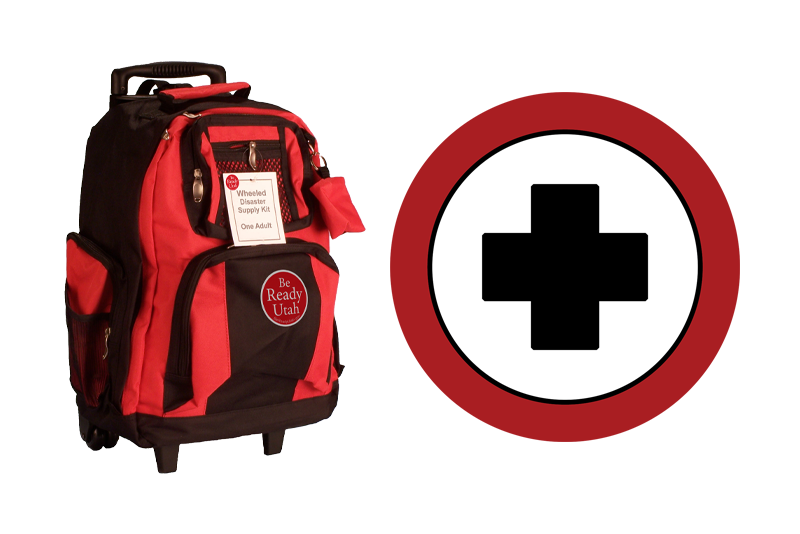
Disaster supply kit: First aid and well-being
Disaster supply kits need to be unique for each individual according to your own needs, abilities, and wants. "Be ready" with first aid and well-being items in your emergency kits.
More information
Videos
- Be Ready Utah: First Aid Kit Basics
- Be Ready Buzz: First Aid Who Is Most Important
- PrepCast: First Aid, Day-to-Day Emergencies
- PrepCast: First Aid, Mass Care Emergencies
- Stop the Bleed: How to Use a Tourniquet
- Stop the Bleed: Improving Survivability
- 20 to Ready: First Aid Class
- 20 to Ready: First Aid Kit
- FDA: Keeping Medications Safe