Cleanup in an emergency
Why is knowing how to clean up important?
The #1 rule in emergency sanitation is to keep yourself, your family and surrounding environment CLEAN. Learning how to perform daily tasks like washing dishes and laundry by hand are important skills to have.
Disasters create a lot of toxic and safety hazards. Cleaning them up can be dangerous if you don’t use proper precautions.
Conserve the water you have. Use it wisely, but not at the expense of proper hygiene and sanitation.

Laundry
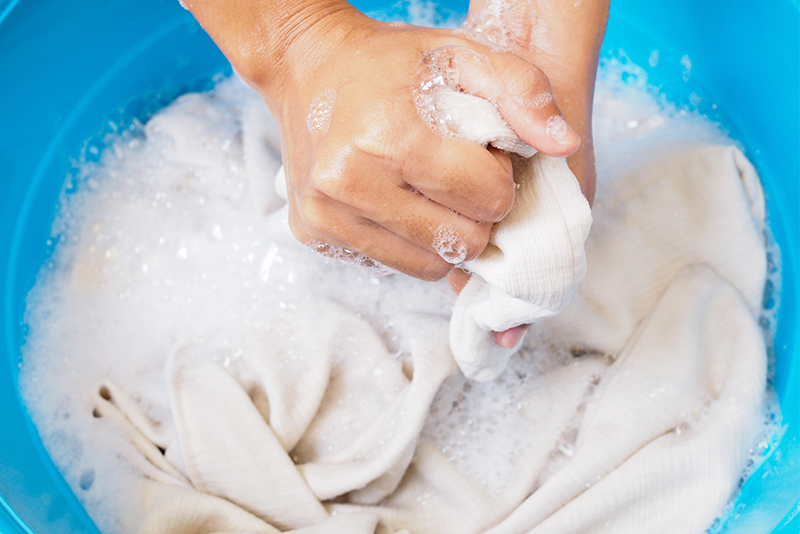
Besides keeping yourself clean, you can wash clothes by hand using two tubs: one for washing and one for rinsing.
Washing laundry by hand
- Use the hottest water you can safely handle in both tubs.
- Add soap to the first tub, then scrub your clothes using a brush and a washboard.
- Squeeze out as much soapy water as you can.
- Dip the clothes into the clean rinse water and squeeze them out again.
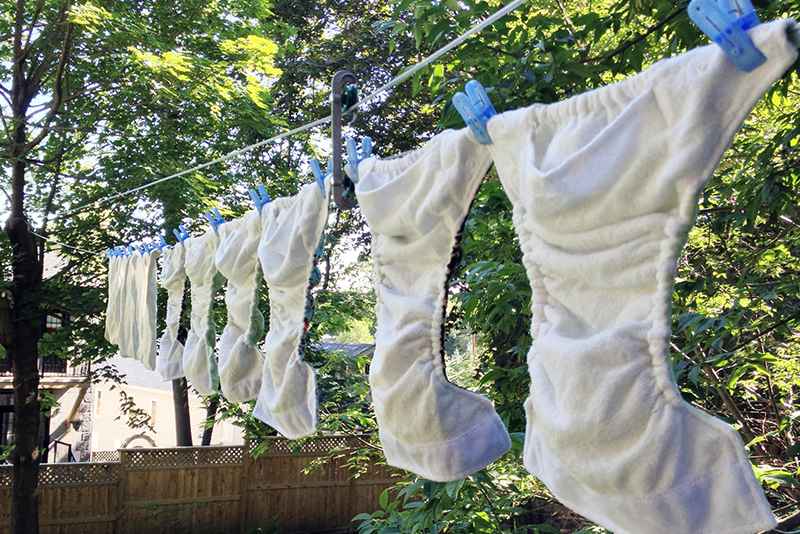
- Hang the clothes on a clothesline to dry.
Tip: If you want to invest in a clothes wringer, it will squeeze out more water and detergent than you can with your hands alone. They can be found online and in specialty stores. In a pinch, you can also use the wringer of a commercial mop bucket to get the water out.
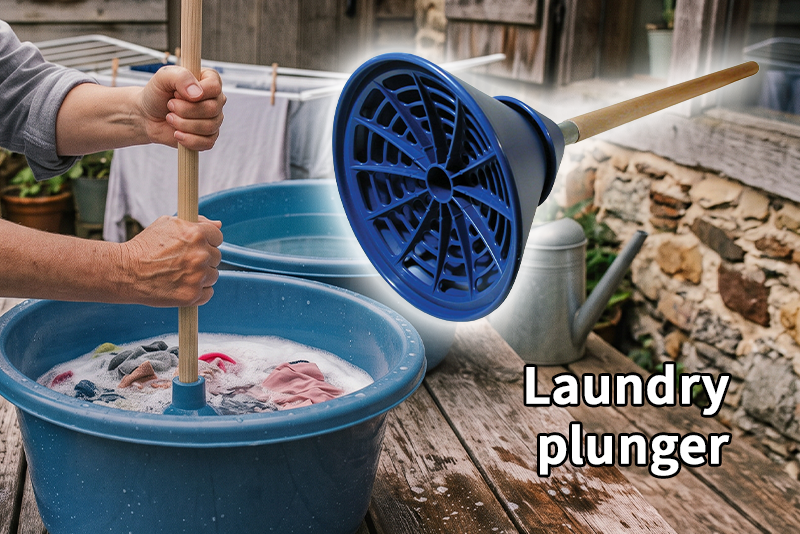
Laundry plunger
An easier way to wash laundry than the wash board is with laundry plunger, found online and in specialty stores.
- Fill a bucket with warm, soapy water.
- Add a few clothes, keeping them loose so they can move freely.
- Push the plunger up and down 12 to 24 times to force soapy water through the fabric. (Use a brush and washboard for tough stains.)
- Squeeze out the soapy water, move the clothes to a tub of clean water, and plunge them 12 to 24 more times to rinse.
- Squeeze out the remaining water and hang them to dry.
Disinfecting dirty clothes
- Throw away or sanitize any items touched by floodwater, body fluids, or waste.
- Wash contaminated clothes separately using hot water and detergent.
- To kill germs, add 1/2 cup of plain liquid bleach to 2 or 3 gallons of soapy water and let the clothes soak for 10 full minutes.
- Rinse them thoroughly in clean, hot water before wringing them out and hanging them up.
- Cloth diapers must also be washed and disinfected separately.
Laundry supplies
- Liquid laundry detergent
- Wash board
- Two large wash tubs
- Scrub brush
- Laundry plunger
- Liquid bleach - no dyes or perfumes
- Clothes dryer rack or rope for clothes line
- Clothes pins
- Optional: Clothes wringer or mop bucket with wringer
Washing dishes by hand
Use paper plates and cups to save water for a short time, but paper products are not practical for long-term use and create a lot of unnecessary trash. Learning to wash dishes by hand is an easy and useful skill for everyone to know.
- Wipe food, grease, and leftovers into the trash before you start. Doing this right after eating keeps the food from drying out and keeps your soapy water cleaner.
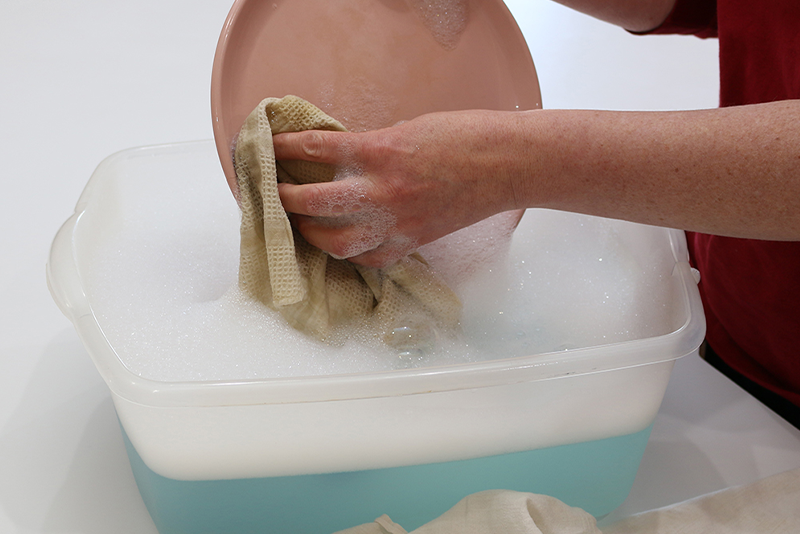
- Put your dishes in a tub of warm, soapy water. Use a cloth, sponge, or brush to scrub away all the leftover food. Make sure to clean every spot so old food doesn't make anyone sick later.
- Wipe off extra soap and dip the dish into a second tub of clean, hot water.
- Dry the dishes with a clean towel, or let them sit in a drying rack before putting them away.
Dish washing supplies
- Liquid dish detergent
- Wash cloths
- Scrub brush
- Scouring pads
- Bottle brush
- Dish scraper
- Dish towels
- Two wash bins
- Drying rack
Disaster cleanup
Cleaning up after a disaster can be dangerous. It is important to protect yourself from floodwater, mold, sewage, and other toxic hazards while you cleanup.
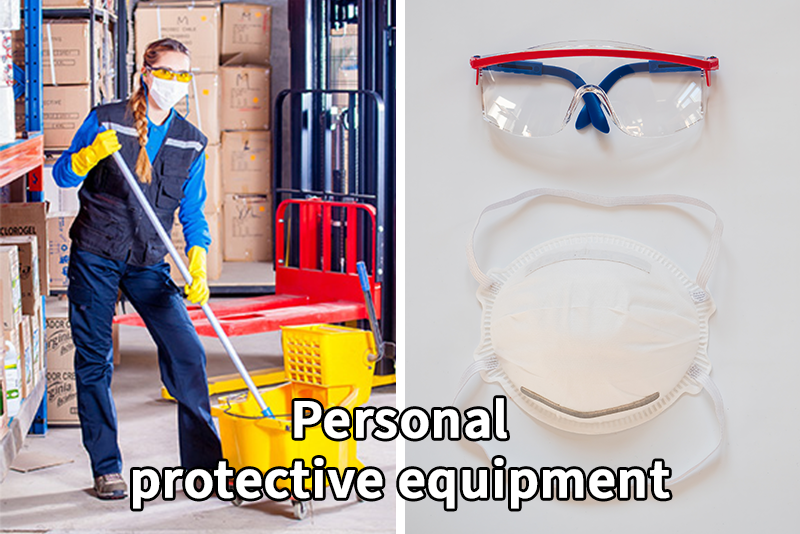
Cleaning after disaster
- Put on your personal protective equipment (PPE) and open doors or windows for fresh air.
- Wash away visible dirt using mild soap and water, then rinse with clear water.
- Mix the correct bleach solution carefully so it doesn't splash on your skin or clothes.
- Wipe the solution onto the surface using a rag or sponge. Let it sit for the recommended time (5 or 6 minutes) to kill the germs.
- Wipe the surface down with clean water and let it air-dry completely. Wash all of your rags, sponges, and buckets and let air dry when you are finished.
Rules for using bleach
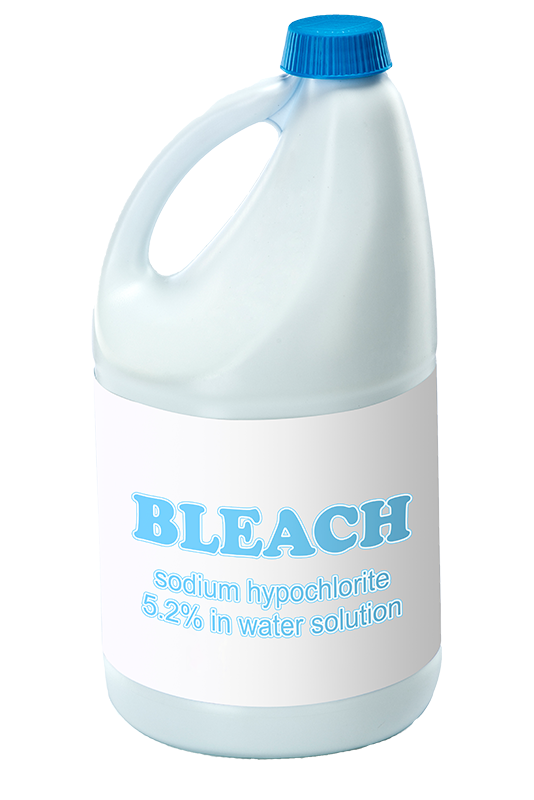
Standard, unscented household bleach (usually 5.2% sodium hypochlorite in a water solution) is great for killing germs, but you must use it safely.
- Always mix bleach with water. Never use full-strength.
- Mix only what you need for one day.
- NEVER mix bleach with ammonia or other cleaners. Mixing them creates a poisonous gas that can kill you.
How to mix bleach solution
Different jobs need different amounts of bleach mixed into water:
- General disinfecting kills most daily germs like E. coli and flu viruses.
Mix 1/3 cup of bleach into 1 gallon of water. Let it sit on the surface for 6 minutes, then rinse. - Extra-strength disinfecting kills tougher germs like Strep, Listeria + Herpes, and MERS.
Mix 1/3 cup of bleach into 3/4 gallon of water. Let it sit on the surface for 5 minutes, then rinse. - Mold cleanup.
Mix 1 cup of bleach into 1 gallon of water.
Personal protective equipment (PPE)
Basic cleanup
- Goggles or other protective eyewear
- Rubber boots
- Rubber/dish gloves that extend above wrists
- N-95 masks so you don't breathe in dirty air
Heavy cleanup
- Hard hat
- Leather work gloves
- Steel-toed boots
Cleaning supplies
- Liquid cleanser
- Household bleach
- Spray bottles
- Scrub brush
- Wash bucket
- Wash rags/sponges
- Mop and mop bucket
- Garbage bags
- Broom and dust pan