Access and functional needs preparedness
How can those with access and functional needs prepare for emergencies?
Everybody needs to “be ready” for disasters and emergencies. Being informed, making plans, getting kits and supplies, and getting involved are the preparedness steps Utahns need to take to prepare. You may have someone with access and functional needs in your family or household who needs help in doing what is necessary to be ready for disasters. You may even find yourself dependent on others for assistance.
The steps of preparedness are the same for everyone, even though they are applied differently depending on each person’s unique needs and abilities. If you are a person with access and functional needs or care for one who does, it is your responsibility to make adjustments to your preparedness plans to accommodate these unique needs.
What are access and functional needs?
This includes anyone who needs extra help during a crisis, such as people with:
- Physical, mental, or learning disabilities
- Hearing or sight impairments
- Language or cultural barriers
- Financial difficulties
- Very young children or elderly adults
- Temporary issues, like recovering from surgery or a serious illness
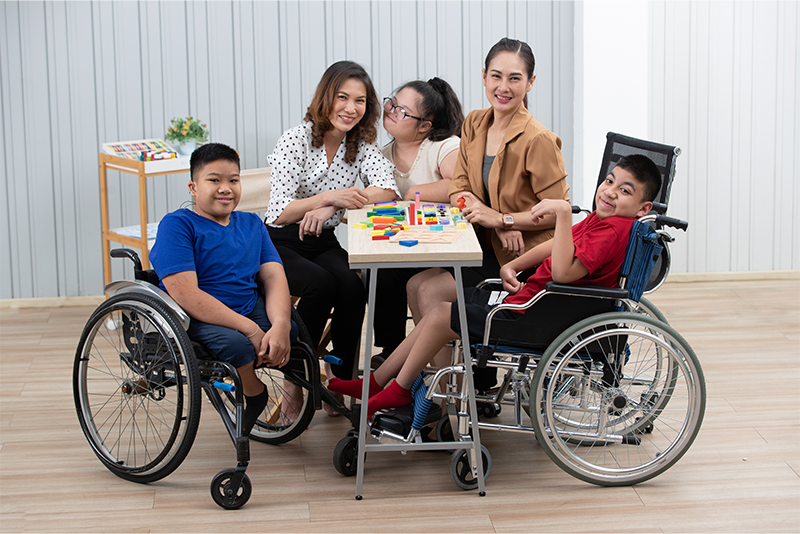

Assistive aids and devices
Think about items that make daily life easier, such as eyeglasses, hearing aids, headphones, or translation tools, or anything else that makes your life a little easier.
- Keep spares: If possible, put extra sets directly into your emergency kits so they are ready to go.
- Evacuation list: If you don't have backups, put these items at the top of your prioritized evacuation list for when you need to evacuate.

Medications
Find out how your medicine works before a disaster happens.
- Talk to professionals: Ask your doctor or pharmacist if you can get extra supplies, how long your medicines last, and if they are safe to use after the expiration date.
- Plan ahead: Figure out a storage plan for both prescription and over-the-counter drugs.
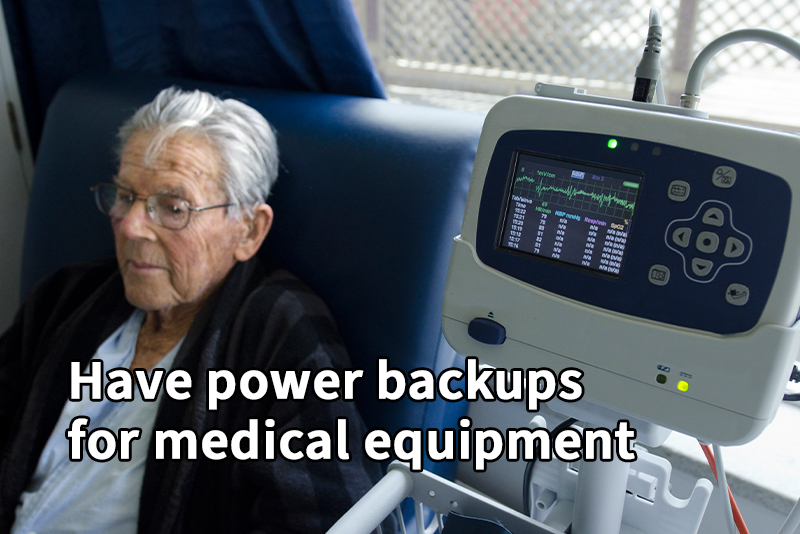
Medical equipment
If you rely on medical devices, remember that many of them need electricity or batteries to run.
- Backups: Stock up on extra batteries or set up a backup power supply.
- Service plans: Contact your equipment provider to ask about emergency support.
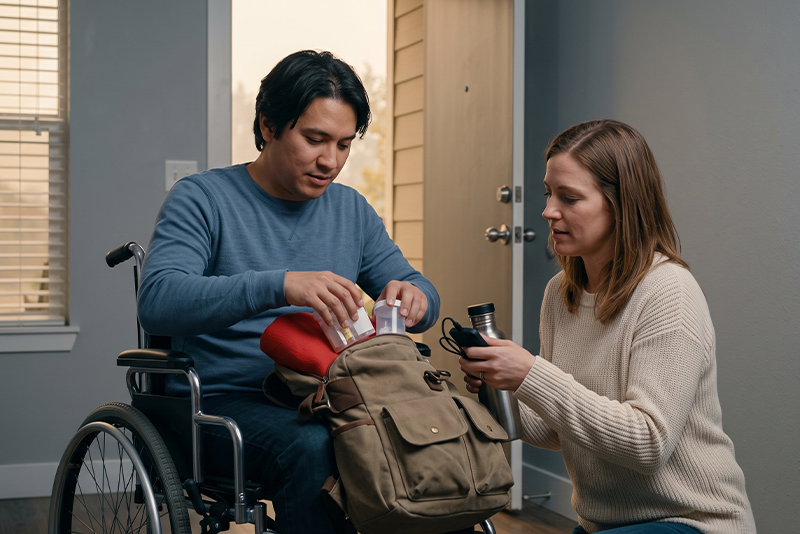
Mobility issues
Moving quickly during an emergency can be tough if you have trouble getting around.
- Mobility tools: Make sure items like canes, walkers, wheelchairs, or special shoes are easy to reach.
- Ask for help: If you need help getting out of bed, out of a chair, or out of the house, talk to a neighbor or family member now to see if they can assist you during an emergency. Practice with them regularly.
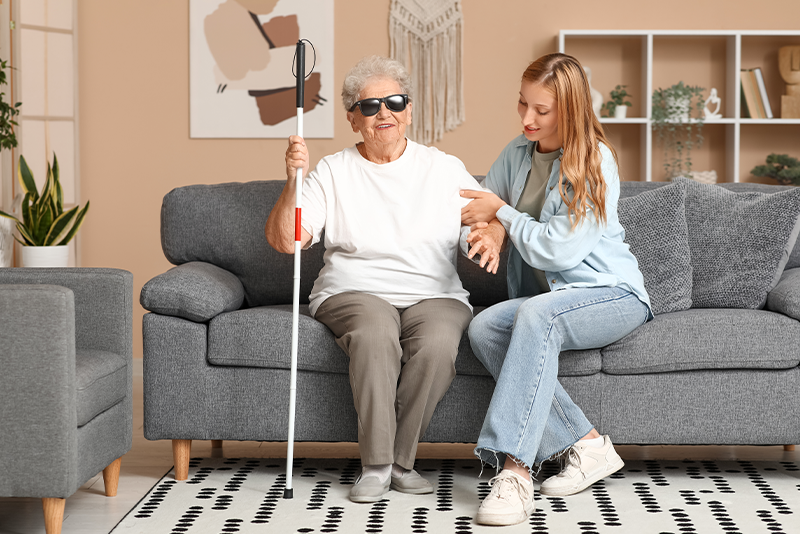
Support network
Many people with access and functional needs live by themselves, making a support group essential.
- Build a team: Create a network of trusted neighbors, friends, or family members who agree to check on you during a crisis.
- Share details: Give one or two people in your network a house key. Make sure they know where your medications are and how to help you take them.
- Practice: Make sure they are aware of your specific needs and practice your emergency plans together.
Know that many city and county emergency management agencies maintain voluntary registries for people with disabilities to self-identify in order to receive targeted assistance during emergencies and disasters. Contact your local emergency management office to find out more.